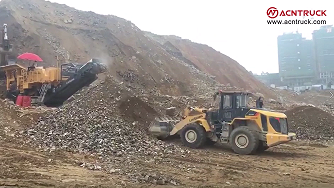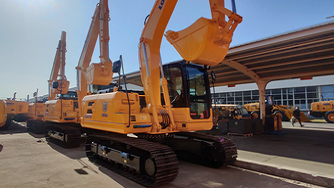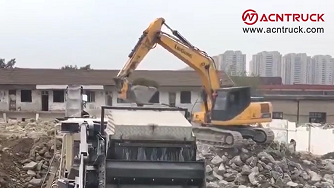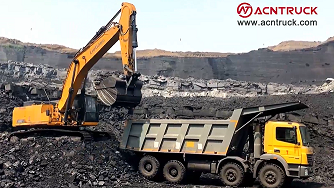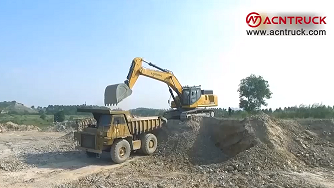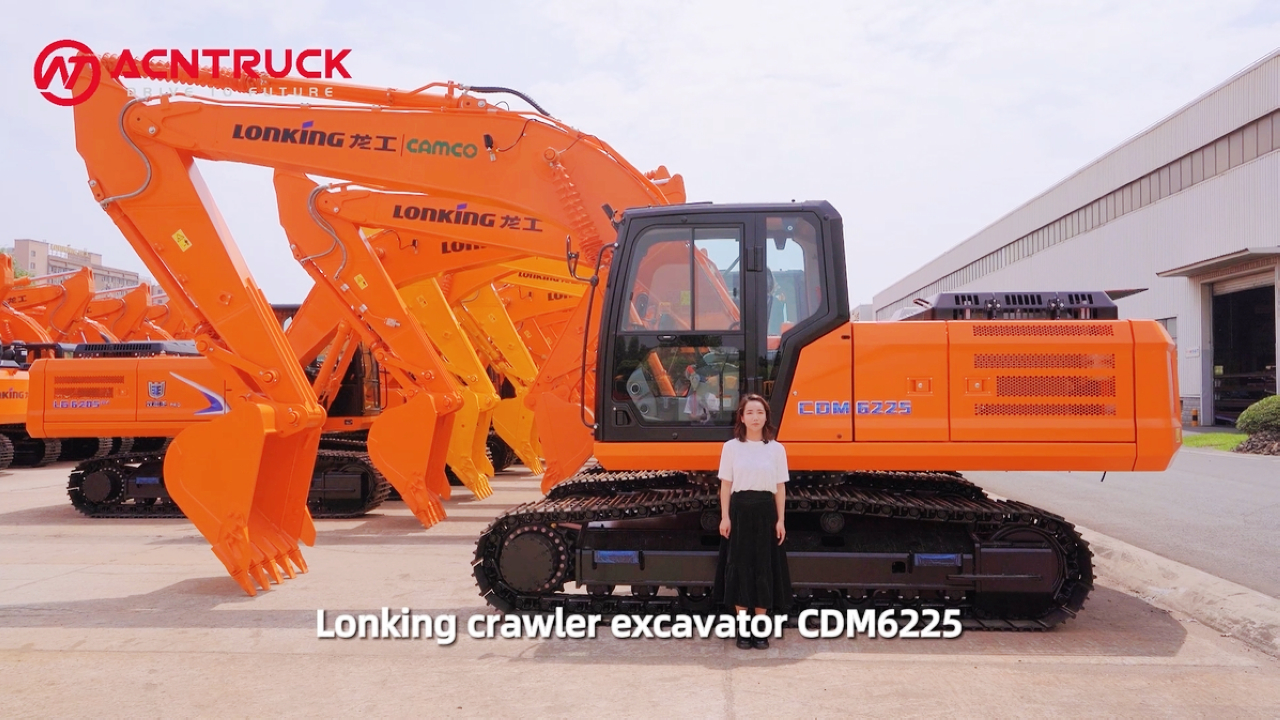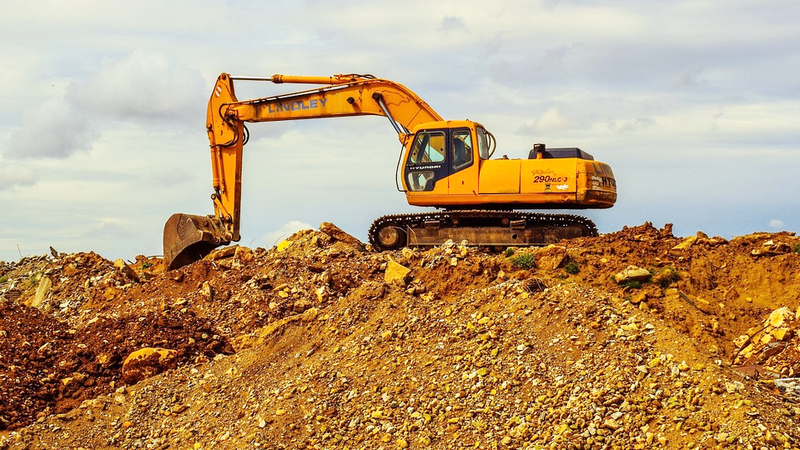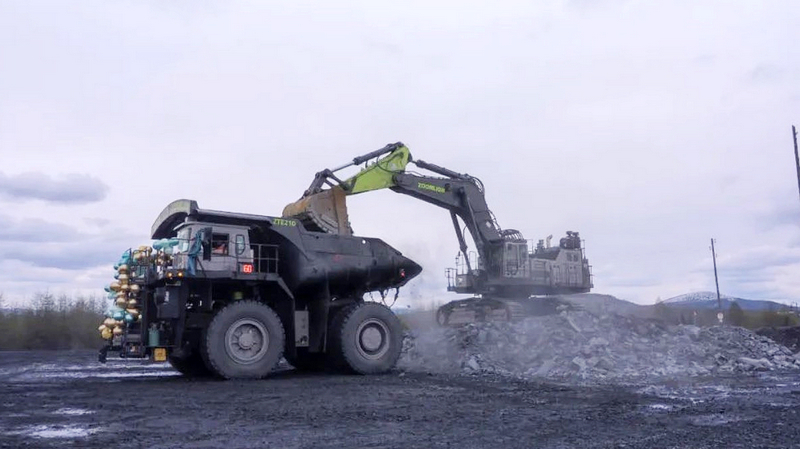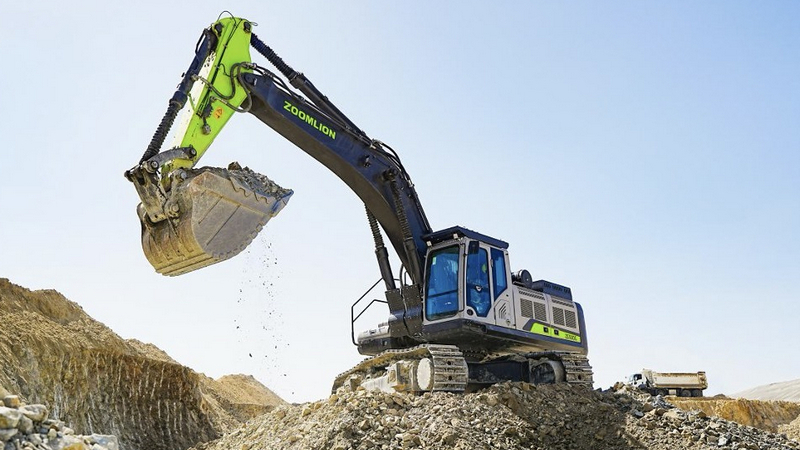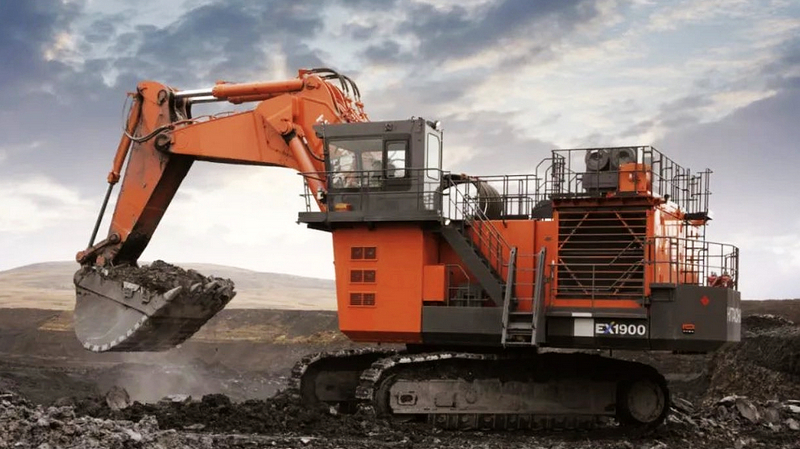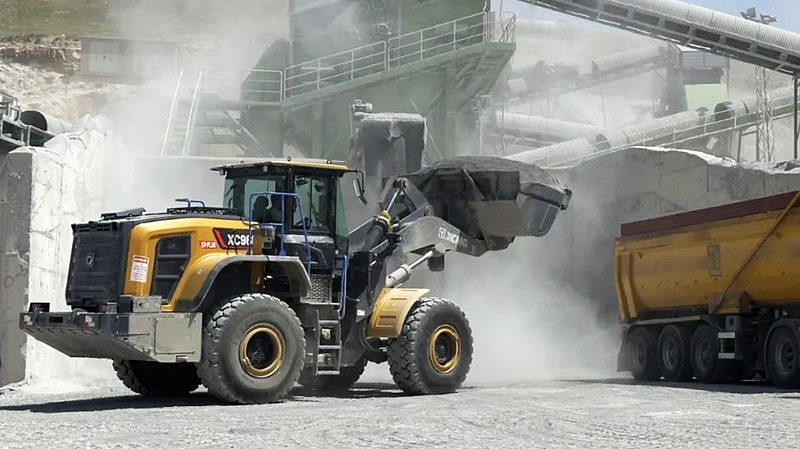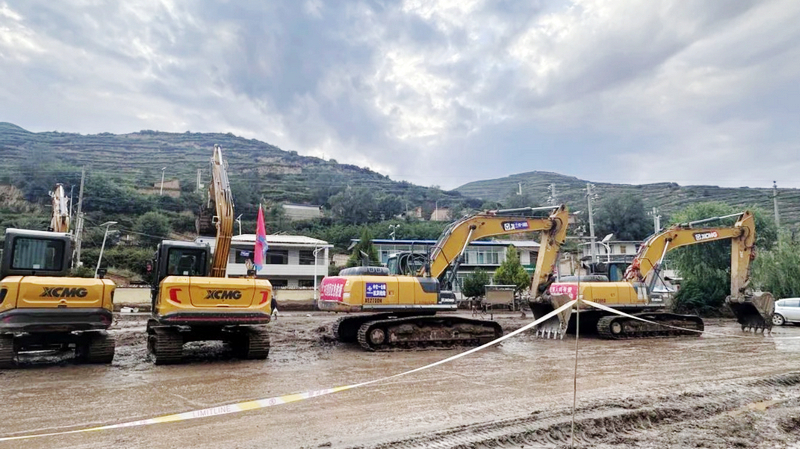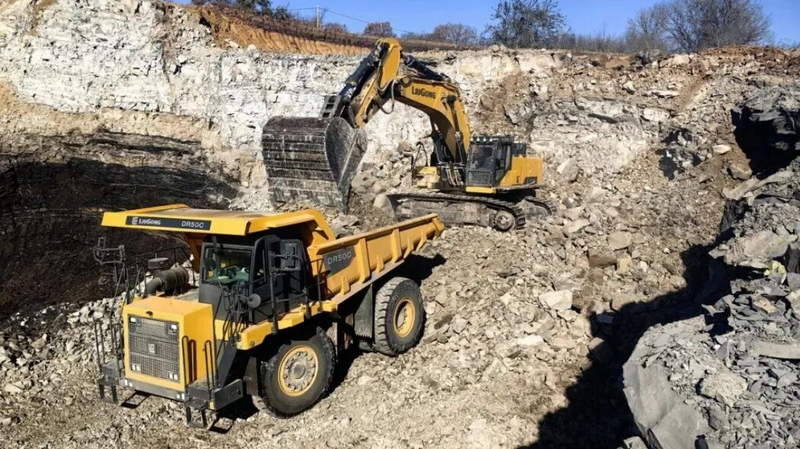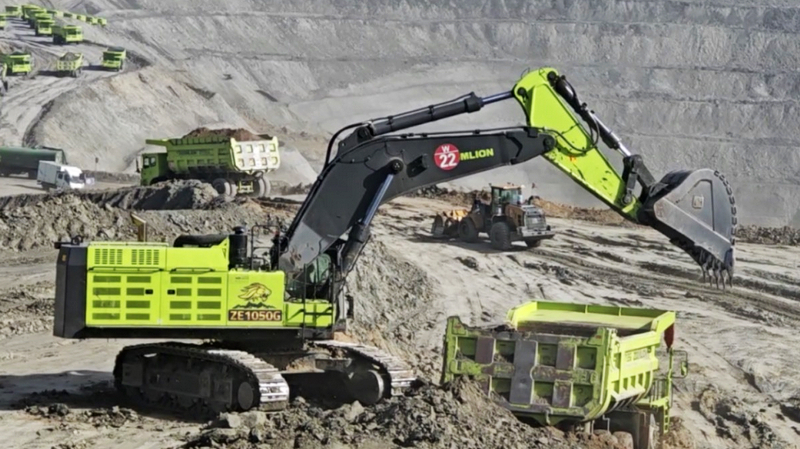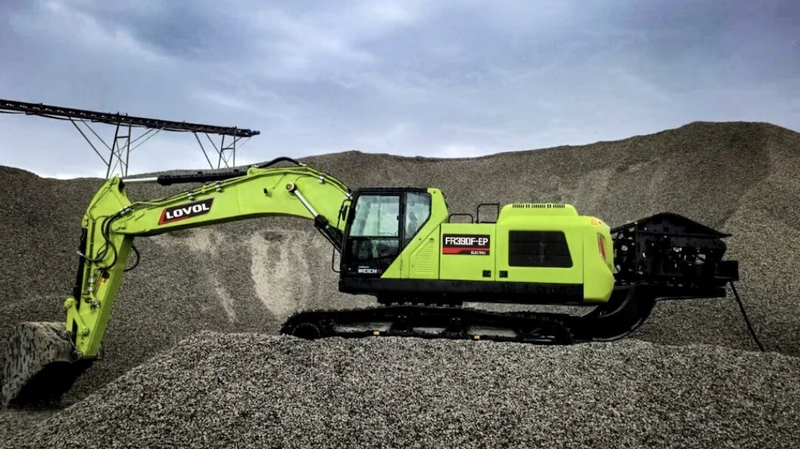
During construction projects, excavators operate for extended periods in high-dust, high-load conditions, causing dirt and oil to accumulate easily on the equipment’s surface and critical components. If not cleaned promptly, this not only affects the equipment’s heat dissipation and operational efficiency but may also accelerate component wear and increase the risk of malfunctions.
To enhance the standardization and safety of equipment maintenance, this article provides a systematic guide to excavator cleaning operations, covering tool preparation, operational procedures, and follow-up maintenance.
I. Preparation of Cleaning Tools and Materials
Before commencing cleaning operations, the following basic tools and materials should be prepared:
· High-pressure water gun or hose (for initial rinsing)
· Specialized construction machinery cleaner (neutral formula recommended)
· Nylon brushes of varying stiffness (for different areas)
· Absorbent cloths and anti-rust lubricant
Thorough preparation of tools helps improve cleaning efficiency and minimize damage to the equipment.
II. Equipment Surface Cleaning Procedure
Use a low-pressure water stream to perform an initial rinse of the equipment’s exterior, focusing on removing surface dust. Take care to avoid electrical components and the air intake system. Spray the neutral cleaner evenly onto the metal surfaces and let it sit for 3–5 minutes to allow grease and grime to fully break down. Clean along the grain of the sheet metal using a soft-bristle brush. For stubborn stains, use a stiff brush for spot treatment. Finally, rinse thoroughly with clean water to ensure no cleaning agent residue remains, preventing corrosion of the metal surfaces.
III. Cleaning Procedures for Working Equipment
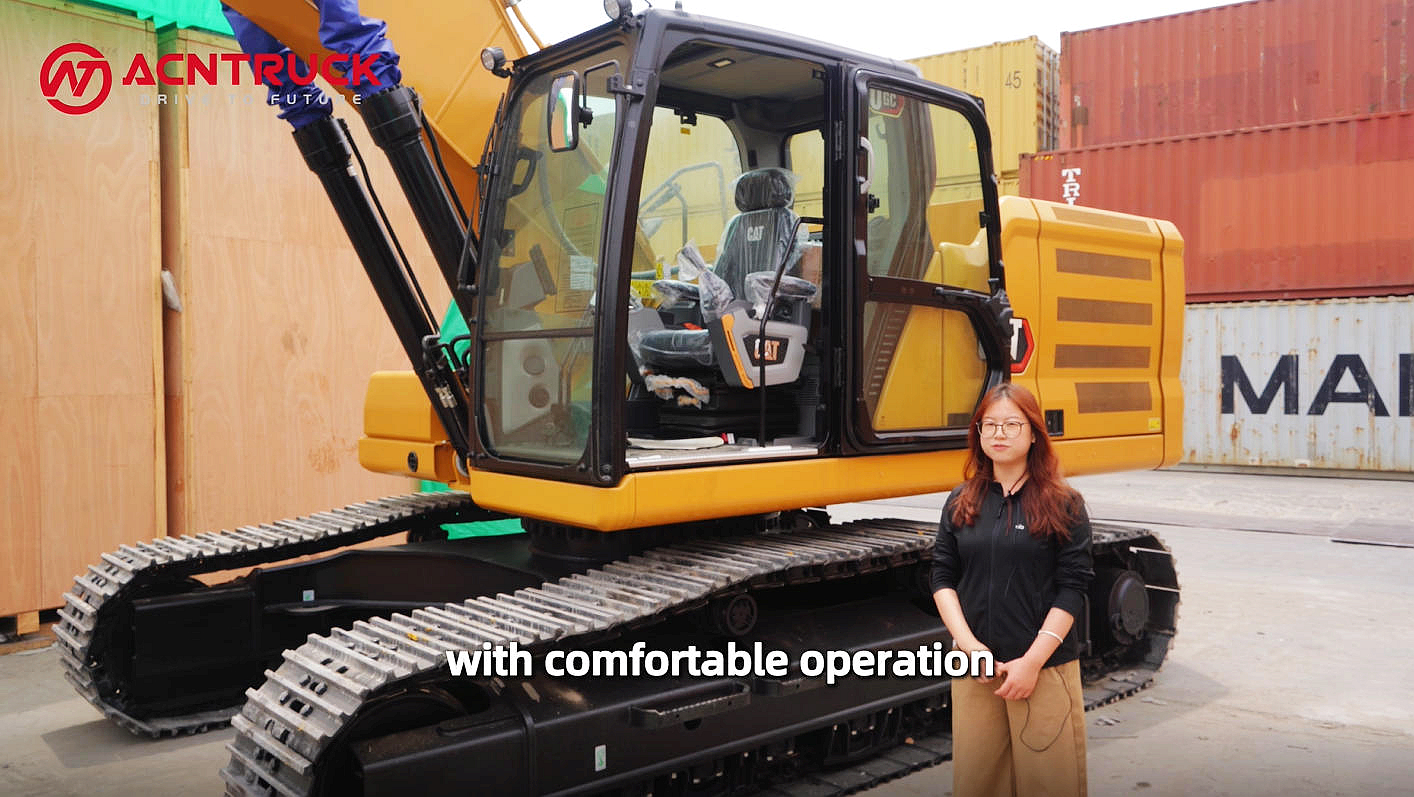
Lower the bucket to a stable position on the ground and relieve pressure from the hydraulic system to ensure safe operation. Focus on cleaning the cylinder piston rods and pin areas to prevent dust and debris from entering the sealing structures. Flush the track mechanism by alternating between forward and reverse directions to remove mud and sand trapped in the track links. Simultaneously inspect all lubrication points to confirm whether there is any mud or sand intrusion or insufficient lubrication.
IV. Post-Cleaning Maintenance Guidelines
After cleaning, immediately wipe dry all metal contact surfaces to prevent oxidation and rust. Apply rust-preventive coating to exposed metal parts to enhance corrosion resistance. Check the air filter for moisture or clogging, and replace it if necessary. Lubricate all moving joints and remove old grease to ensure smooth operation.
V. Safety Precautions
Cleaning operations should be performed only after the engine has completely cooled down to avoid thermal shock damage to components. Electrical connectors must be properly protected against water to prevent short circuits or malfunctions. The use of strong acidic or alkaline cleaners is strictly prohibited to avoid corroding the equipment’s surface. After cleaning, thoroughly inspect all seals to ensure there is no risk of leakage.
A standardized cleaning and maintenance process is essential for ensuring the long-term, stable operation of the excavator. It is recommended to perform a complete cleaning procedure every 50 operating hours or after exposure to harsh working conditions.
Through standardized operations and regular maintenance, not only can equipment failure rates be effectively reduced, but the overall service life of the machine can also be extended, providing continuous and efficient equipment support for construction projects.

+86-21-6212-0109
+86-21-6212-0109
+86-188-0523-6192
+86-136-6172-8724
Suite 2107, Gubei International Fortune Center, No. 1438 Hongqiao Road, Changning District, Shanghai 200336, China