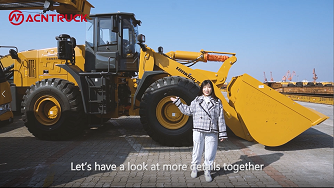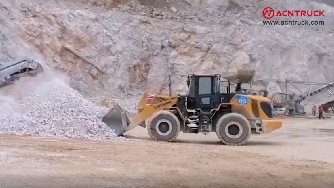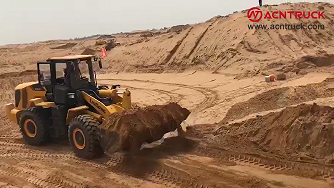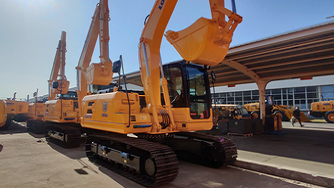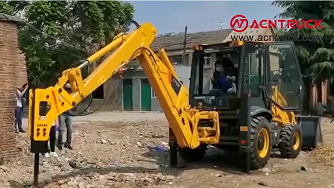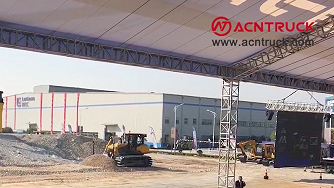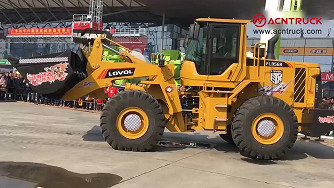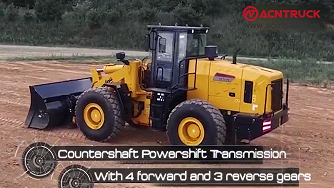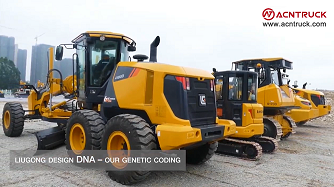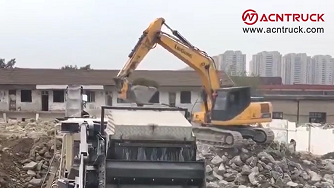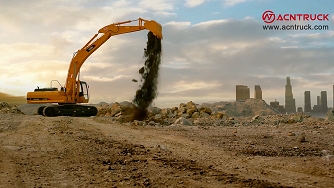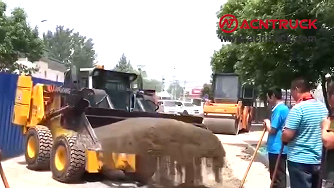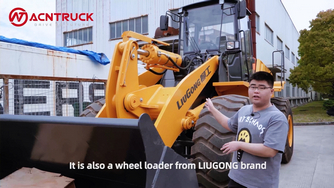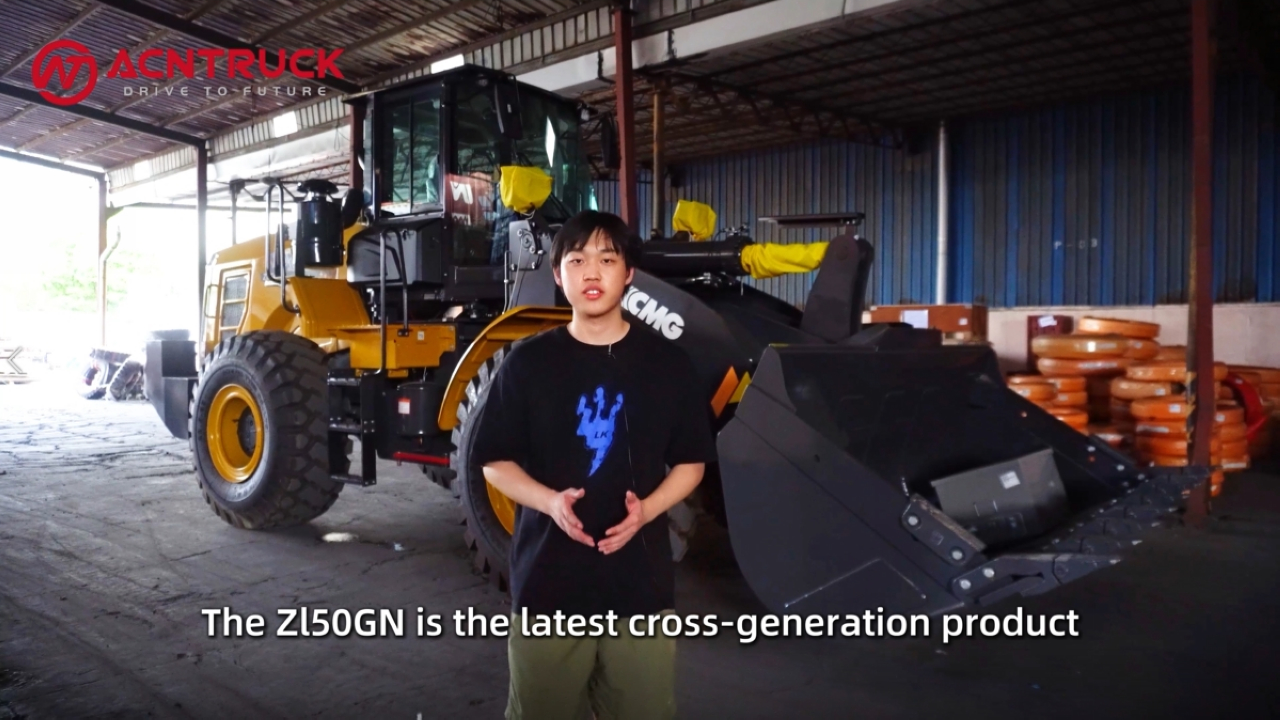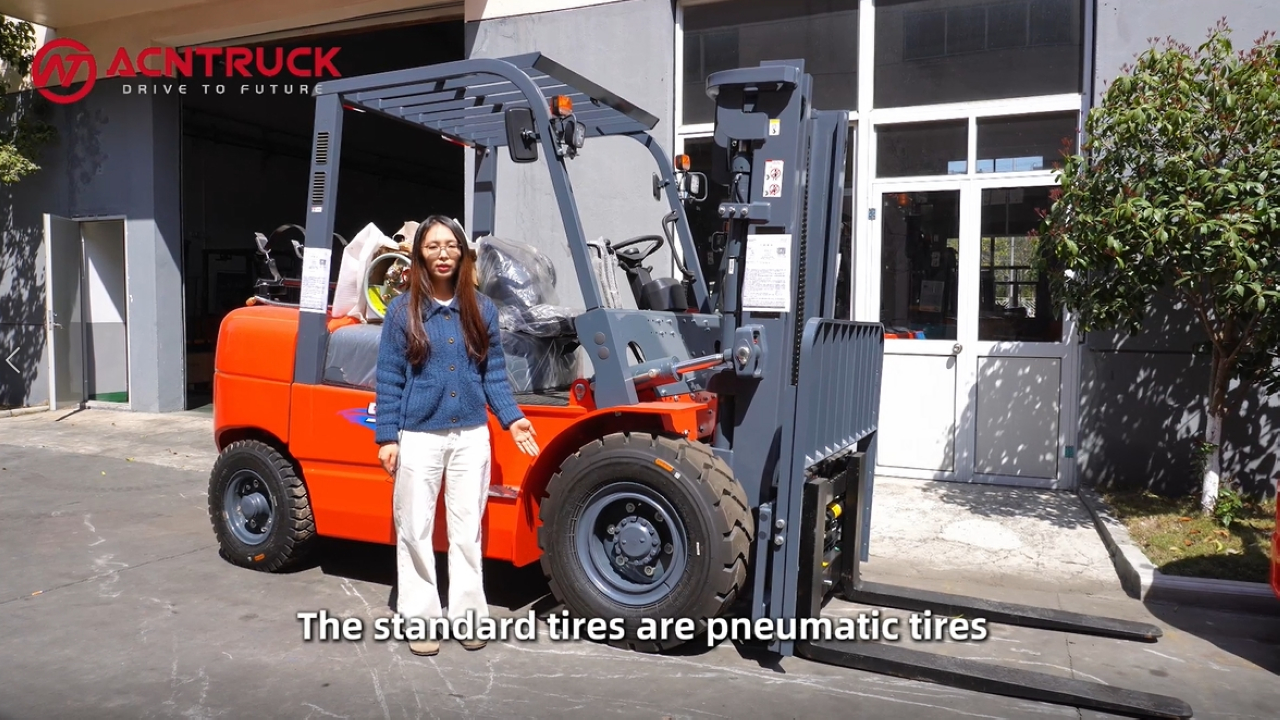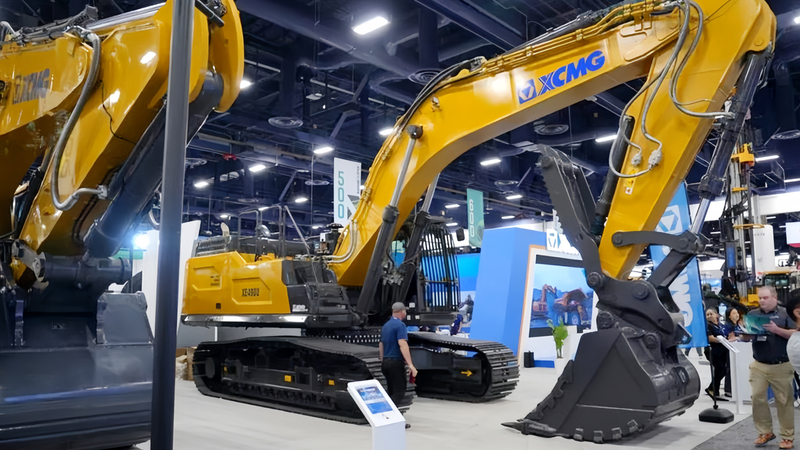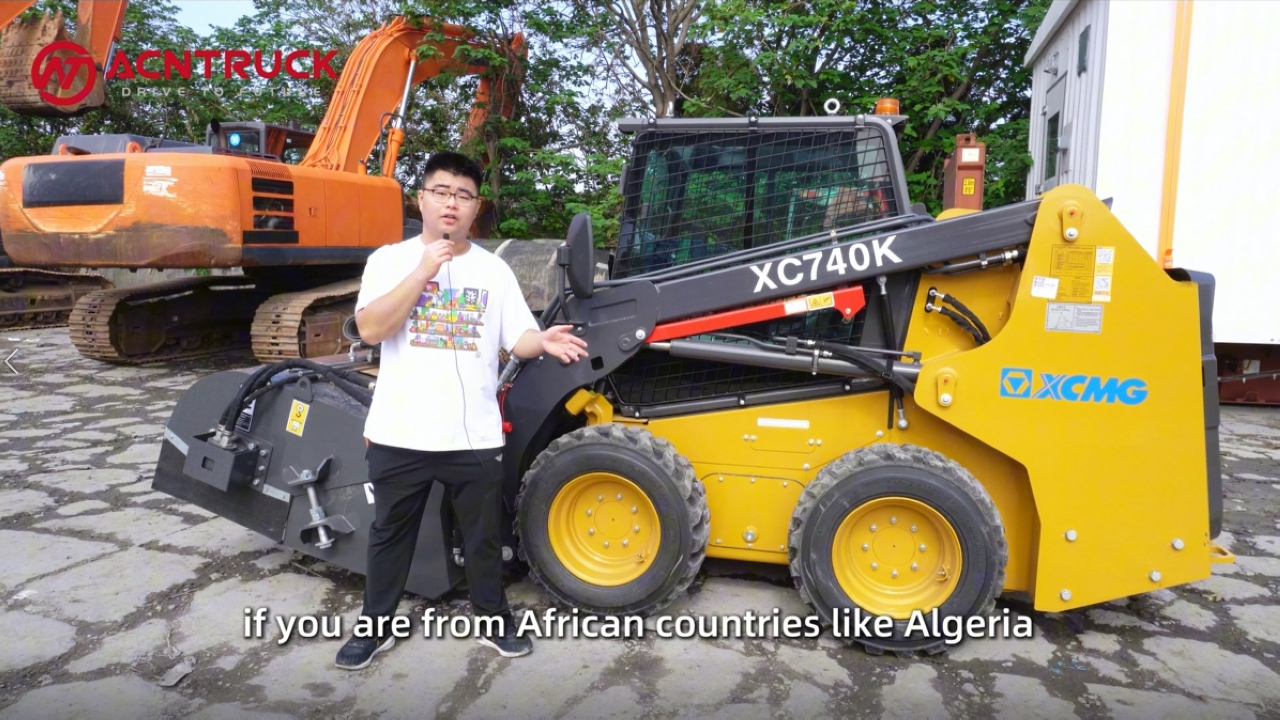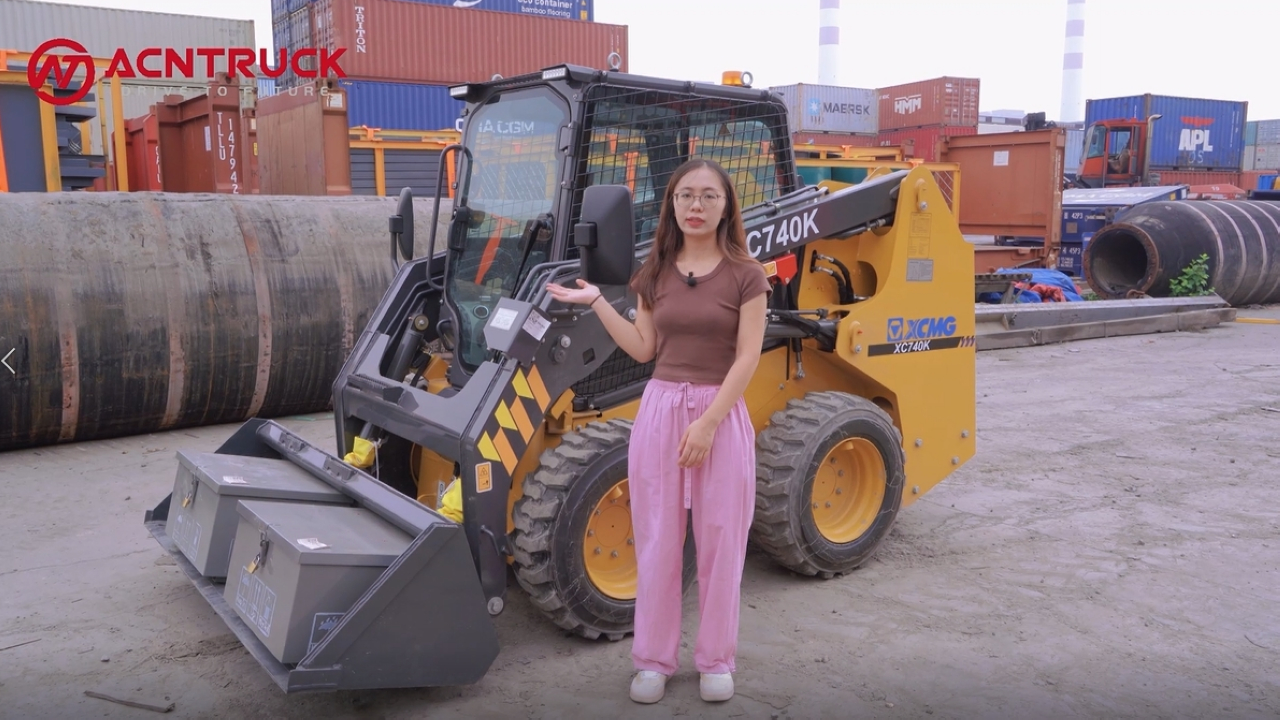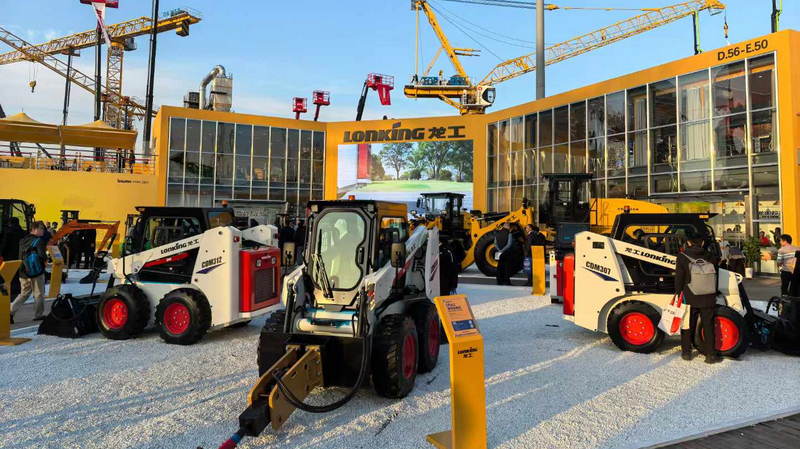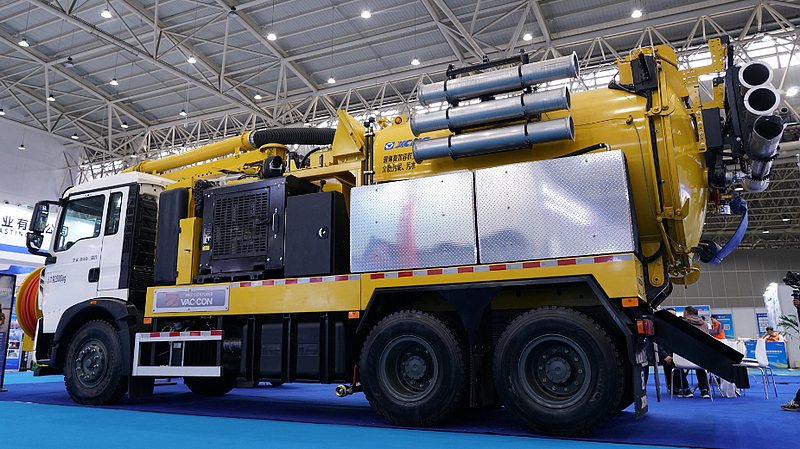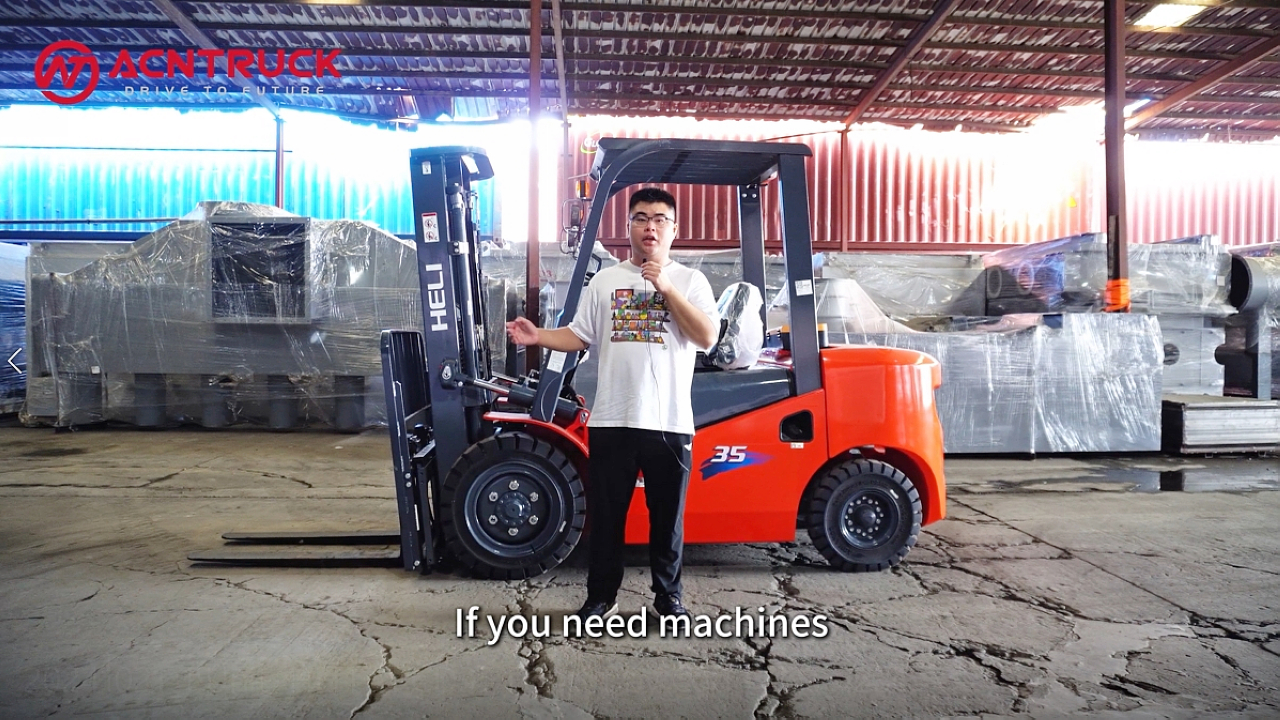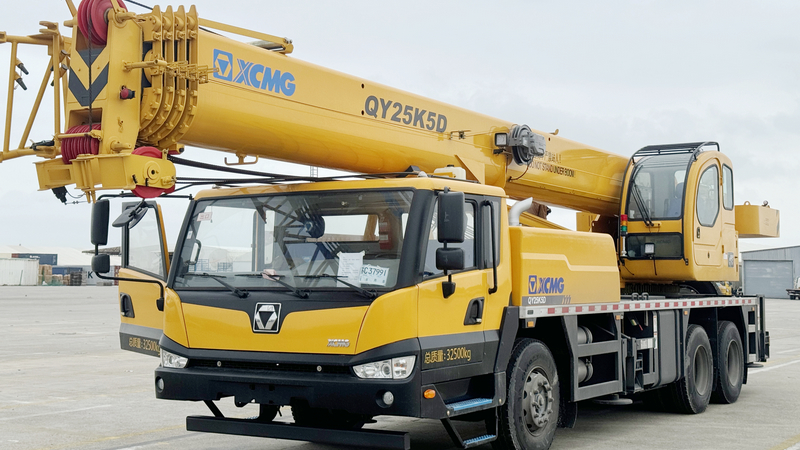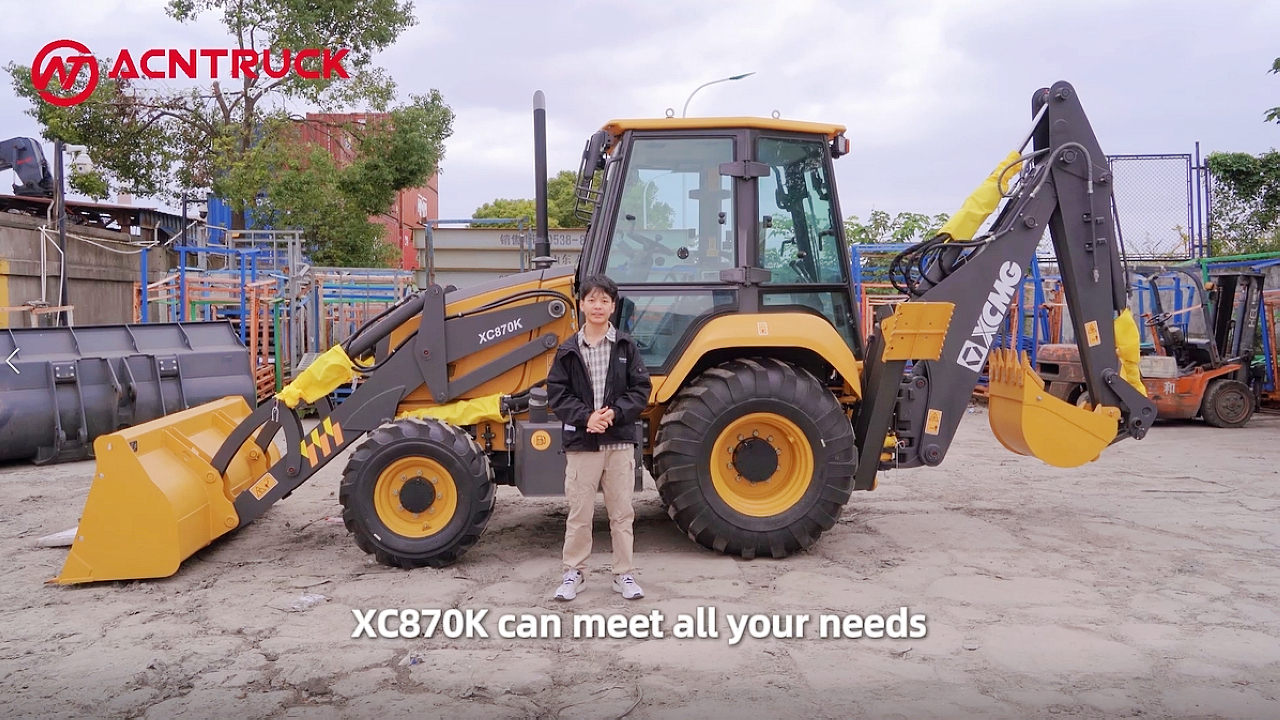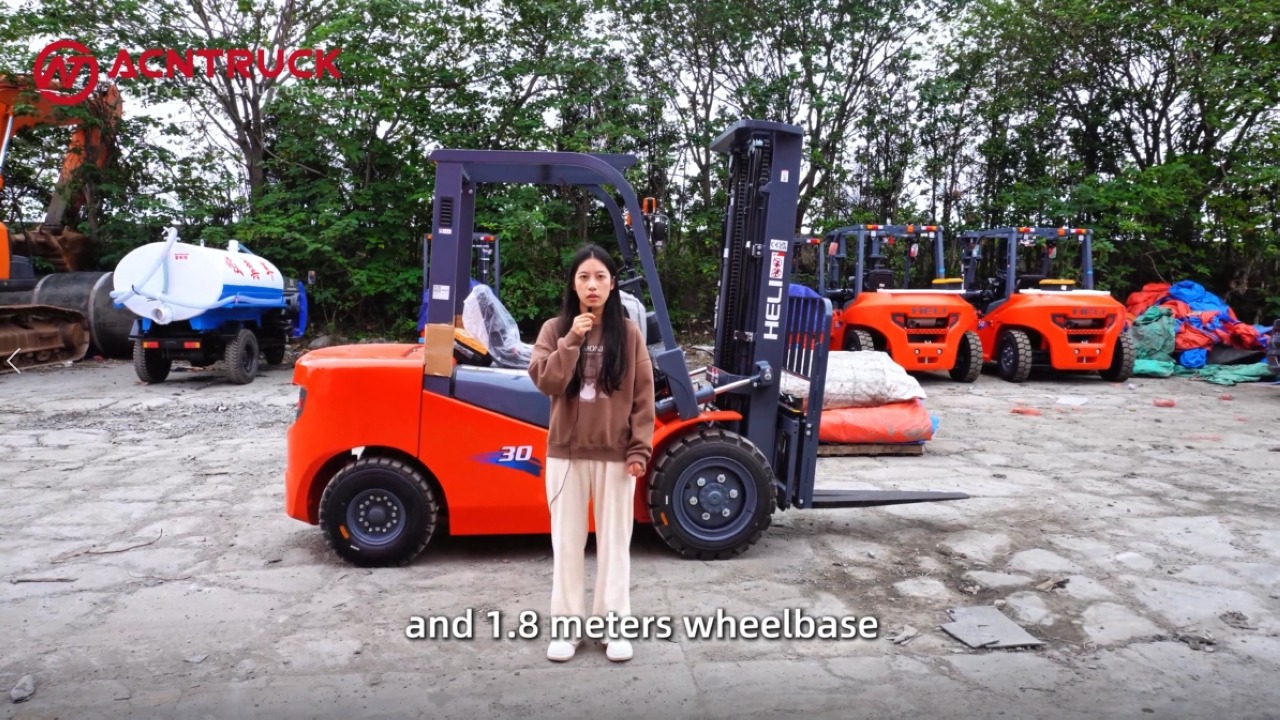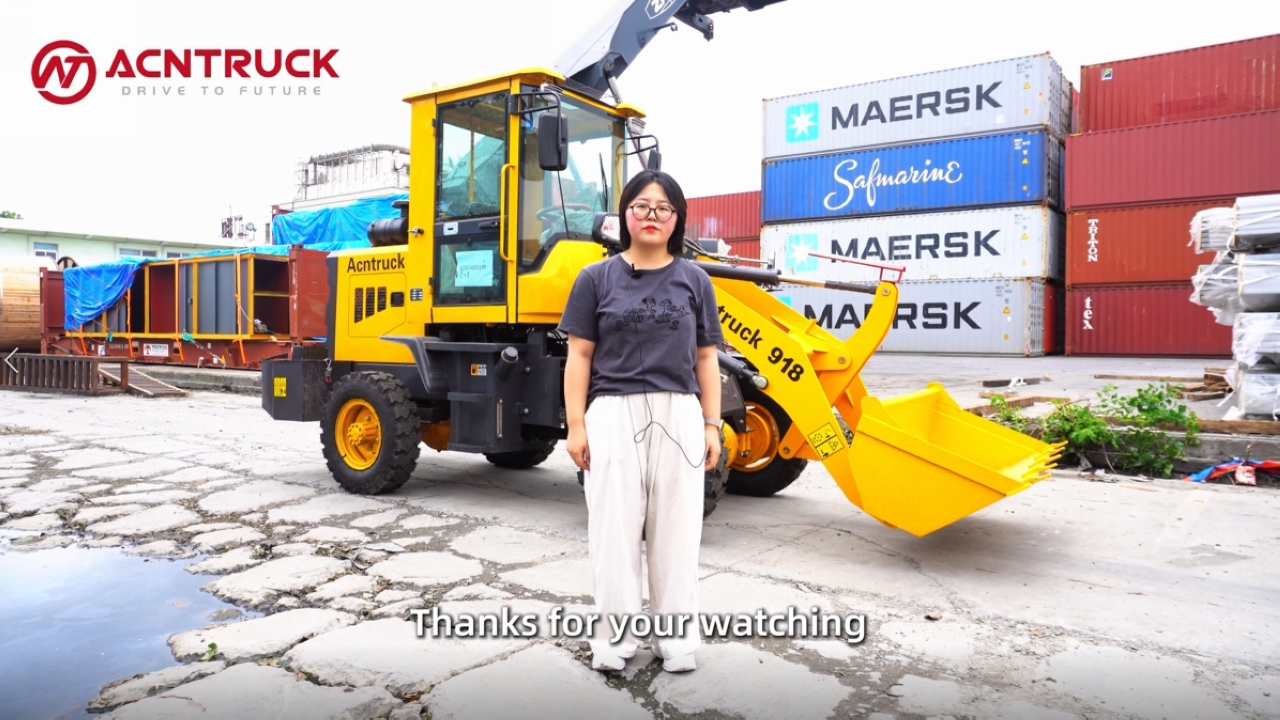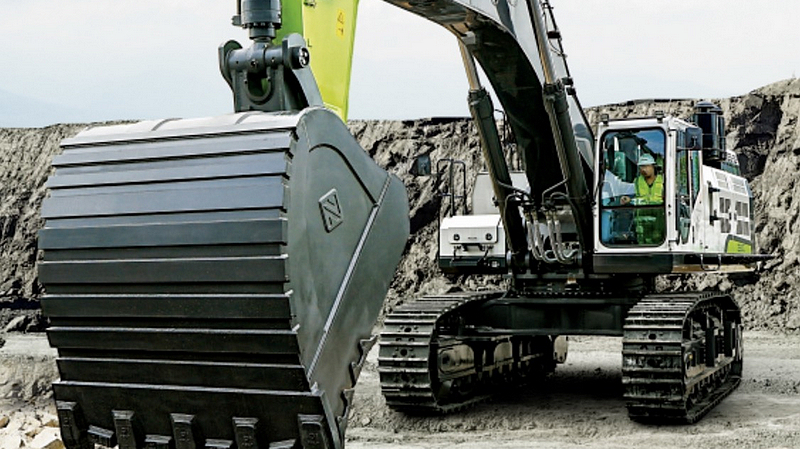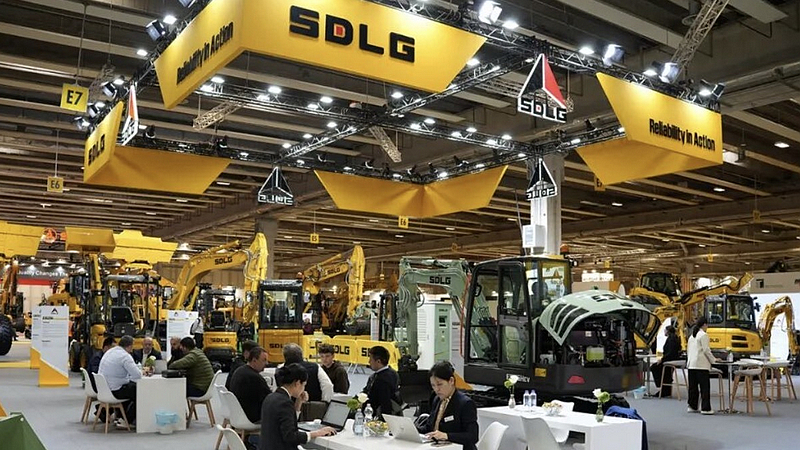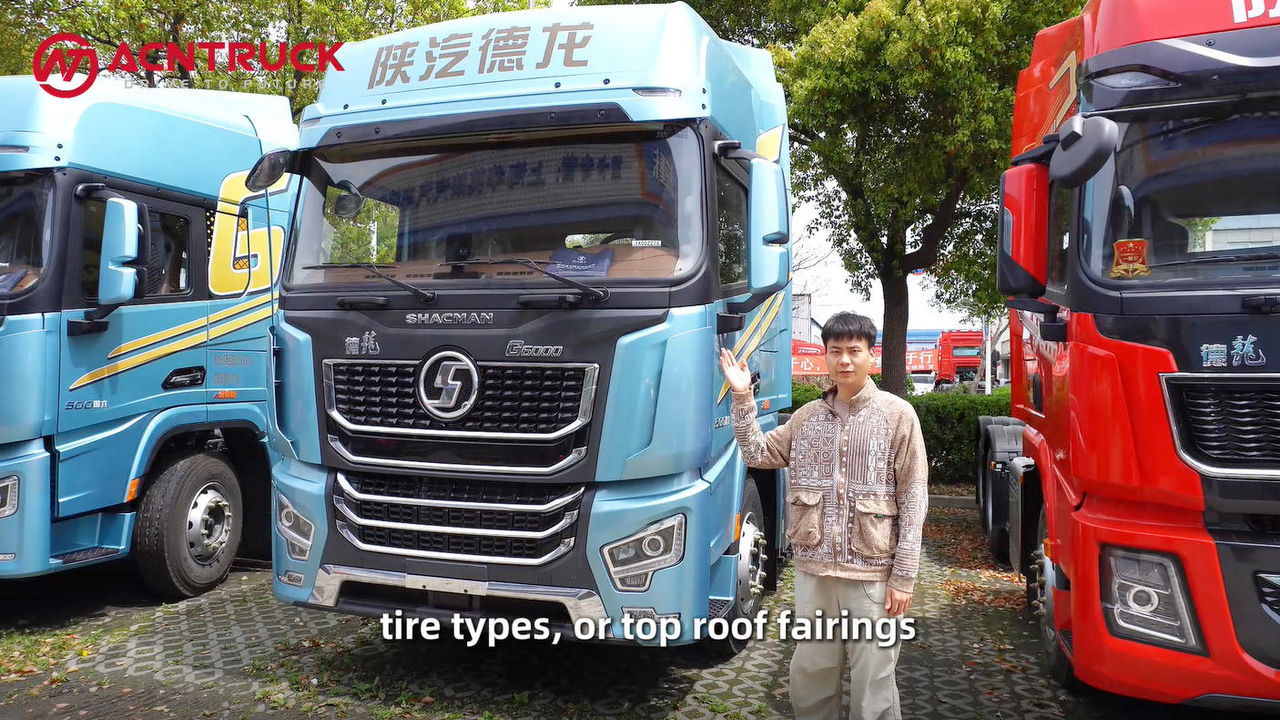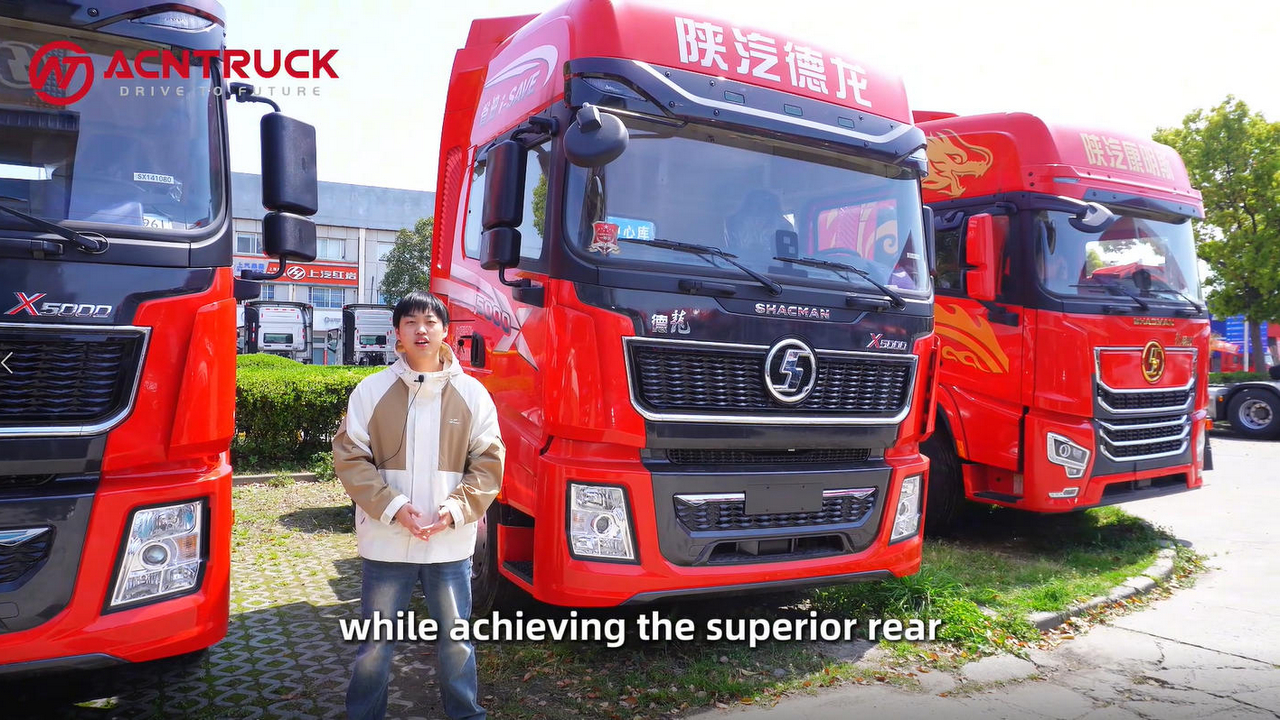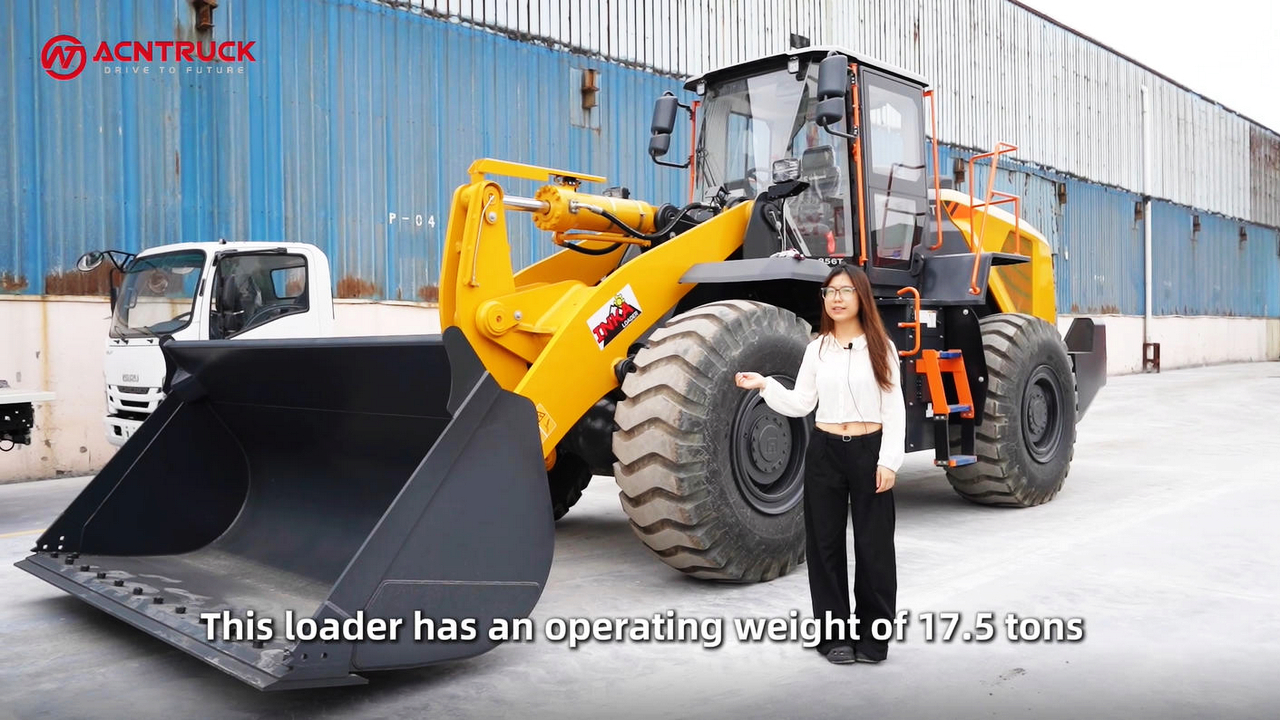
In various construction projects and material handling operations, loaders have become essential equipment due to their efficient and flexible capabilities. As construction environments and operational demands intensify, users increasingly prioritize equipment durability, stability, and multi-functional adaptability when selecting and operating loaders. Systematic evaluation of key aspects—including structural design, powertrain systems, safety and comfort features, and functional expansion—has emerged as a critical approach to enhancing overall equipment performance.
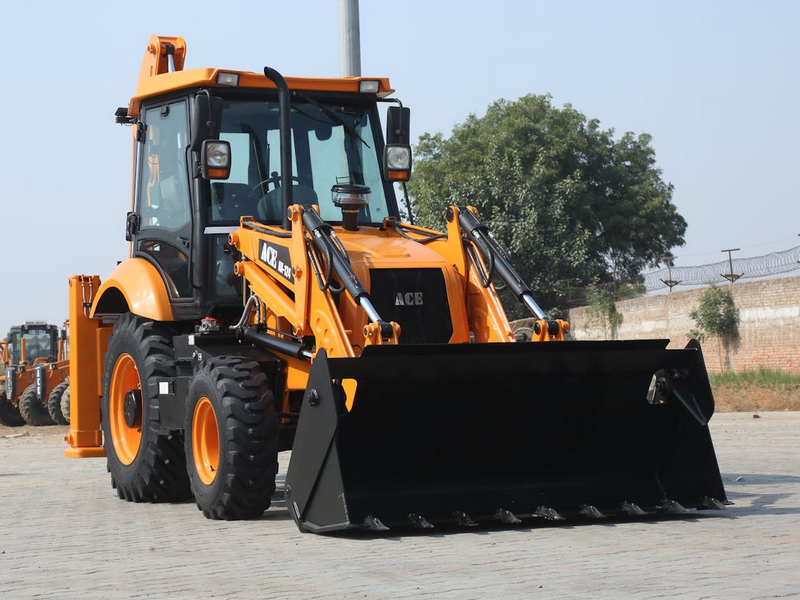
Long-term stable operation of loaders relies on a sturdy and reliable body structure. Rational frame and boom designs effectively enhance overall rigidity and fatigue resistance. For instance, employing stamping and stretching processes with box-type structures for the body enhances torsional resistance and deformation resistance, maintaining stable structural performance in high-intensity working environments. Simultaneously, the three-layer articulated structure optimizes force distribution, improving steering agility while reducing structural fatigue issues that may arise during prolonged use, thereby providing fundamental durability assurance.
A loader's power configuration and transmission system directly impact overall operational efficiency and reliability. To address diverse working conditions, equipment typically offers multiple engine configuration options, adapting to different regions and application environments. Optimizing the power system balance achieves harmony between power output and fuel efficiency. Regarding the transmission system, certain models incorporate heavy-duty drive axle designs. This provides stable traction and braking capabilities during operations on complex terrain or inclines, thereby enhancing overall machine stability under high-intensity working conditions.
During actual operations, the safety and comfort of the cab significantly impact operational efficiency. Cab structures incorporating rollover protection and falling object protection provide fundamental safety safeguards for operators. Simultaneously, interior features like adjustable instrument panels, electronically controlled armrest consoles, and shock-absorbing seats enhance operational convenience and reduce fatigue from prolonged shifts, contributing to overall productivity and safety.
The durability of a loader extends beyond its core components to encompass every design detail. For instance, enlarged and thickened shock-absorbing pads effectively reduce vibration transmission from the engine and transmission system, extending the service life of critical components. The dual-circuit air brake system enhances braking safety redundancy through an independent parallel design. Features like aluminum alloy air tanks, metal cooling grilles, and reinforced tread tires play active roles in corrosion resistance, heat dissipation efficiency, and adaptability to complex terrain, comprehensively boosting the machine's reliability.
Diverse Attachments Expand Application Scenarios, Achieving “One Machine, Multiple Uses”
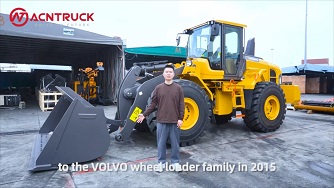
As construction demands continue to diversify, the functionality expansion capabilities of loaders have become a critical consideration. The hydraulic quick-change system enables rapid attachment switching while optimizing mounting points and overall center-of-gravity layout to balance versatility with operational stability. Depending on the task, standard buckets, coal buckets, grain buckets, log grapples, or dozer blades can be flexibly configured, further expanding the machine's capabilities in loading, unloading, material handling, and other applications.
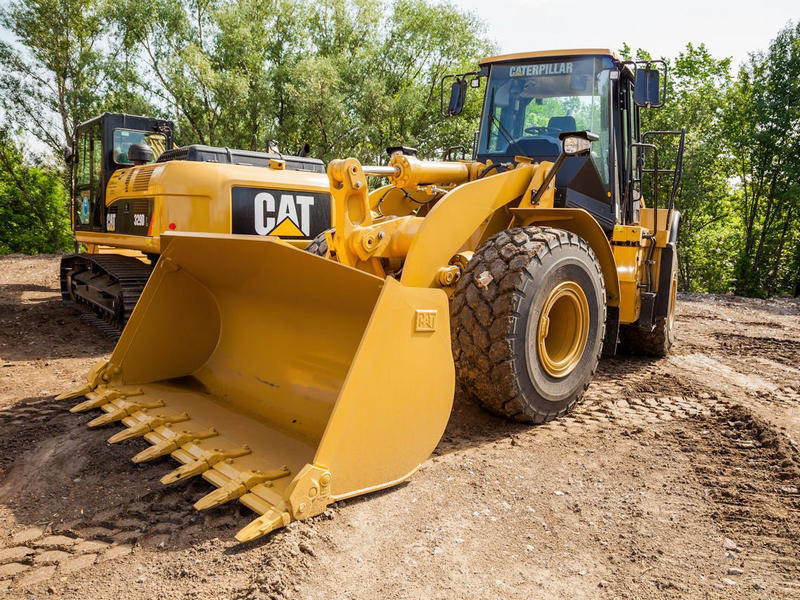
From structural engineering and powertrain systems to safety design and quality details, coupled with versatile attachment configurations, modern loaders are continuously evolving toward enhanced durability, efficiency, and multi-purpose capabilities. Through scientific design and rational configuration, these machines not only adapt to increasingly complex construction environments but also deliver more stable and efficient operational experiences for users, providing reliable support for the smooth progress of engineering projects.

+86-21-6212-0109
+86-21-6212-0109
+86-188-0523-6192
+86-136-6172-8724
Suite 2107, Gubei International Fortune Center, No. 1438 Hongqiao Road, Changning District, Shanghai 200336, China