With the arrival of summer, temperatures
are gradually rising. For truck drivers, the hot summer is not only a physical
challenge but also a severe test for vehicle equipment. Especially for concrete
mixer trucks, which operate continuously in high-temperature environments,
maintaining good condition directly impacts project progress and vehicle
availability. To this end, industry experts have compiled and summarized
several key points for summer maintenance and operation of concrete mixer
trucks for users' reference.
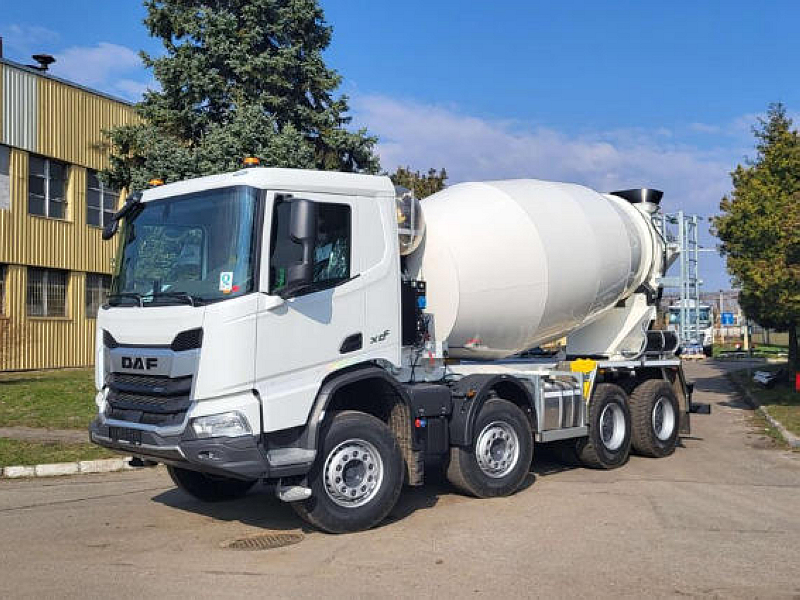
First, during construction, the performance
of concrete can be improved by reasonably utilizing external additives. For
example, using water-reducing agents or replacing part of the cement with fly
ash to reduce cement usage; if long-distance transportation is required, an
appropriate amount of retarding agent can be added to delay the setting time of
the concrete, but the dosage must be strictly controlled to avoid quality
issues.
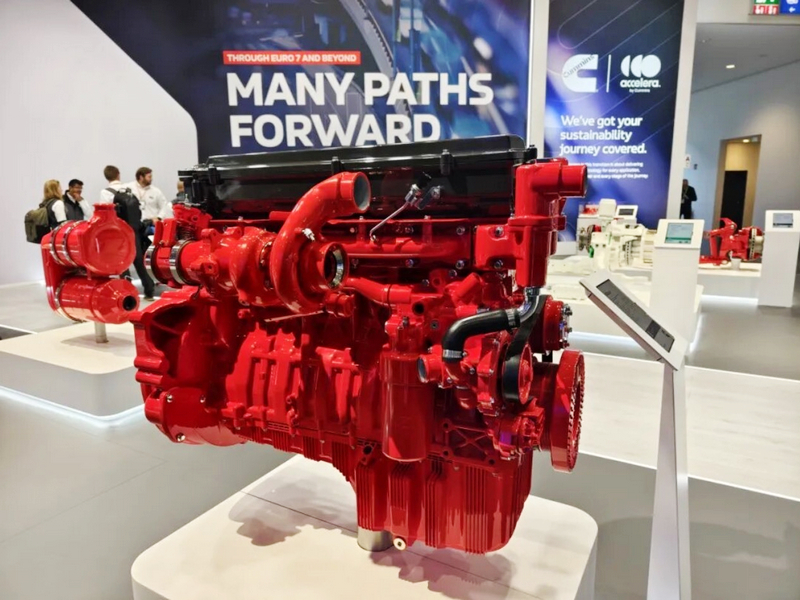
Second, the engine, as the “heart” of the
concrete mixer truck, requires special protection. High temperatures can cause
the engine coolant temperature to rise excessively. Drivers should monitor the
coolant temperature gauge at all times. If the temperature exceeds 100°C, the
vehicle should be immediately parked in a shaded area to cool down. If
necessary, the engine hood should be opened to accelerate heat dissipation and
conduct inspections to prevent faults caused by overloading.
Additionally, high summer temperatures can
accelerate the evaporation of electrolyte fluid in the battery, leading to
battery dehydration or damage. Therefore, the battery fluid level should be
checked regularly, and distilled water should be added promptly to ensure the
battery remains in good working condition.
Tire safety is equally important. Both
overinflated and underinflated tires can overheat due to high temperatures
during operation, leading to accelerated wear or even blowouts. It is
recommended to check tire pressure at least every two weeks during summer,
avoid prolonged continuous operation during driving; if crossing water is
necessary, wait until the tire temperature has cooled down before proceeding to
reduce the risk of premature damage.
Additionally, high temperatures
significantly affect the operation of various vehicle components. Operators
should strengthen inspections of instruments and cooling systems, regularly
maintain components such as radiators, thermostats, water pumps, and fans, and
promptly top up coolant; simultaneously, monitor motors and electrical systems
for overheating or abnormal noise, keep air filters and intake ducts clean, and
replace engine oil and oil filters on schedule to maintain optimal vehicle
performance.
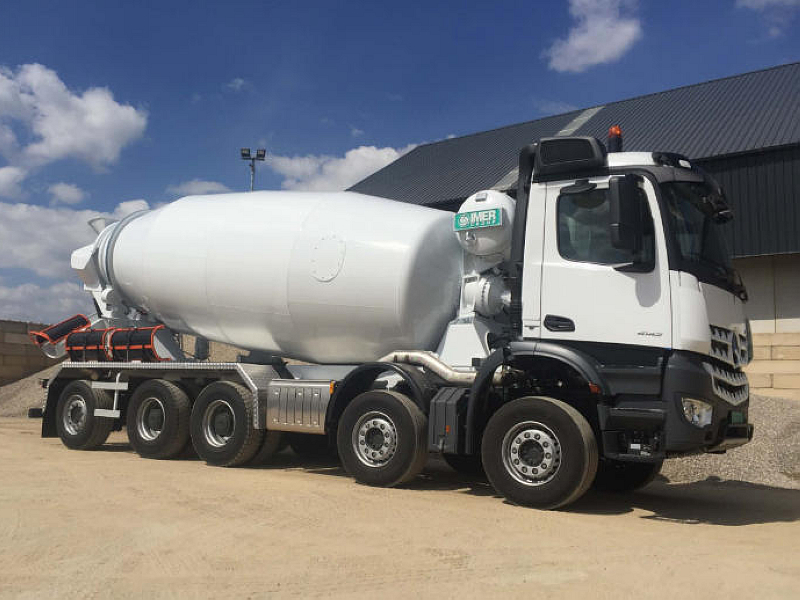
Finally, tank cleaning is particularly
important. Before each loading, the feed opening should be moistened with
water, and residual concrete should be rinsed promptly after loading. After unloading,
30–40 liters of clean water should be added to the tank for cleaning, and the
wastewater should be drained before the next loading. After work each day, the
concrete tank and surrounding areas of the feed and discharge openings should
be thoroughly cleaned to prevent residual hardening.
By implementing the above measures, the operational stability of the mixer truck during high-temperature seasons will be effectively improved, not only reducing the occurrence of faults but also ensuring construction progress and engineering quality.

+86-21-6212-0109
+86-21-6212-0109
+86-188-0523-6192
+86-136-6172-8724
Suite 2107, Gubei International Fortune Center, No. 1438 Hongqiao Road, Changning District, Shanghai 200336, China