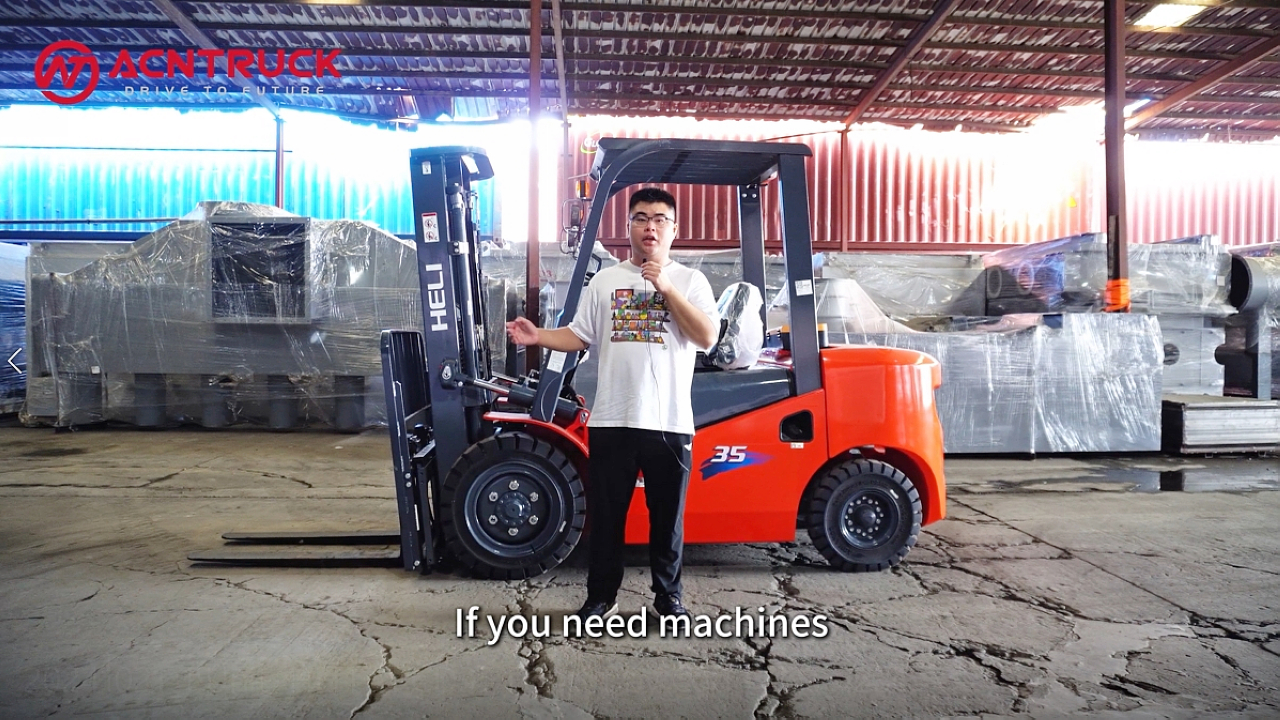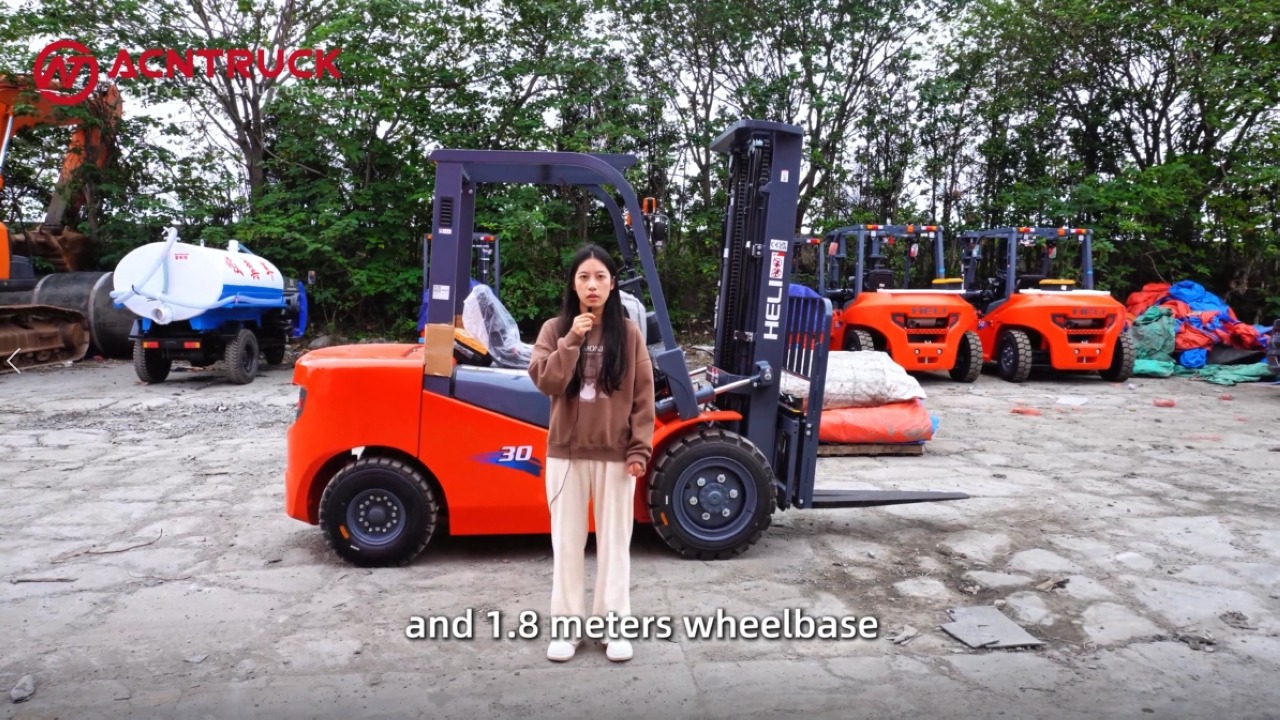
In the configuration choices between
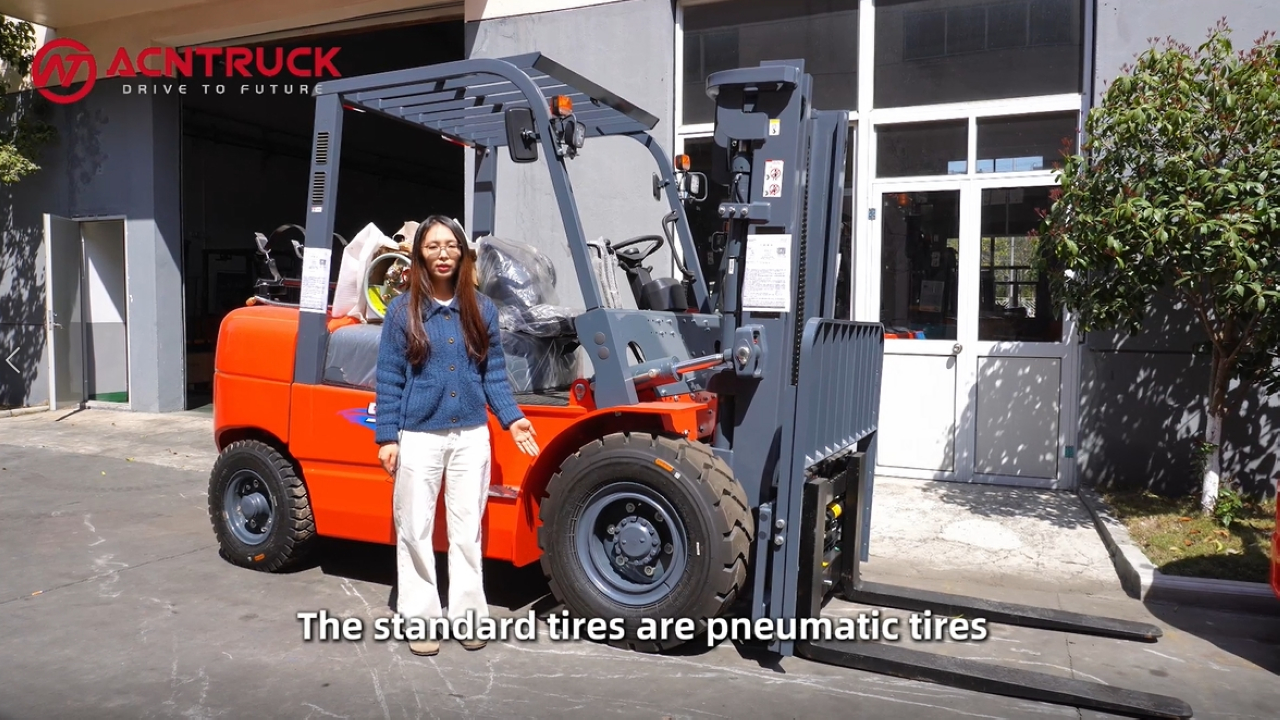
internal combustion and electric forklifts, solid tires are increasingly
becoming the preferred solution for customers. Compared to traditional
pneumatic tires, solid tires demonstrate significant advantages in safety,
durability, and operational efficiency, providing more reliable assurance for
forklift operations.
Regarding safety performance, solid tires
feature an all-rubber casing that delivers outstanding puncture resistance,
effectively eliminating the risk of blowouts under heavy loads and complex
operating conditions. Their minimal load deformation and excellent running
stability not only eliminate the hassle of frequent tire repairs and
replacements but also enhance equipment uptime and overall operational
efficiency, making them particularly suitable for low-speed, high-efficiency
applications.
Structurally, solid tires typically employ
a three-layer design balancing strength, comfort, and durability. A
high-rigidity base layer and steel ring support ensure secure tire-to-rim
bonding, preventing slippage. The intermediate layer's highly elastic compound
effectively absorbs vibrations, enhancing ride comfort while reducing component
wear. The reinforced tread layer boosts tear resistance and abrasion resistance,
extending tire lifespan.
Technologically and materially, solid tires
have undergone over half a century of development and experience accumulation,
with continuously optimized compound formulations. The use of high-rigidity,
low-heat-generating compounds minimizes operational heat buildup and
temperature fluctuations, thereby resolving issues like bulging, slippage, and
bursting. Authoritative test results indicate that solid tires exhibit rolling
resistance coefficients comparable to pneumatic tires, alleviating concerns
about increased energy consumption.
In terms of safety protection, solid tires
effectively mitigate the risk of blowouts. When forklifts travel at high speeds
or encounter obstacles, pneumatic tires are prone to rupture, deflation, or
even loss of vehicle control. Solid tires, with their robust and durable
characteristics, significantly reduce such risks, further enhancing operational
safety.
As operational environments demand
ever-greater equipment safety and reliability, solid tires will play an
increasingly vital role in the forklift industry due to their comprehensive
performance advantages.

+86-21-6212-0109
+86-21-6212-0109
+86-188-0523-6192
+86-136-6172-8724
Suite 2107, Gubei International Fortune Center, No. 1438 Hongqiao Road, Changning District, Shanghai 200336, China