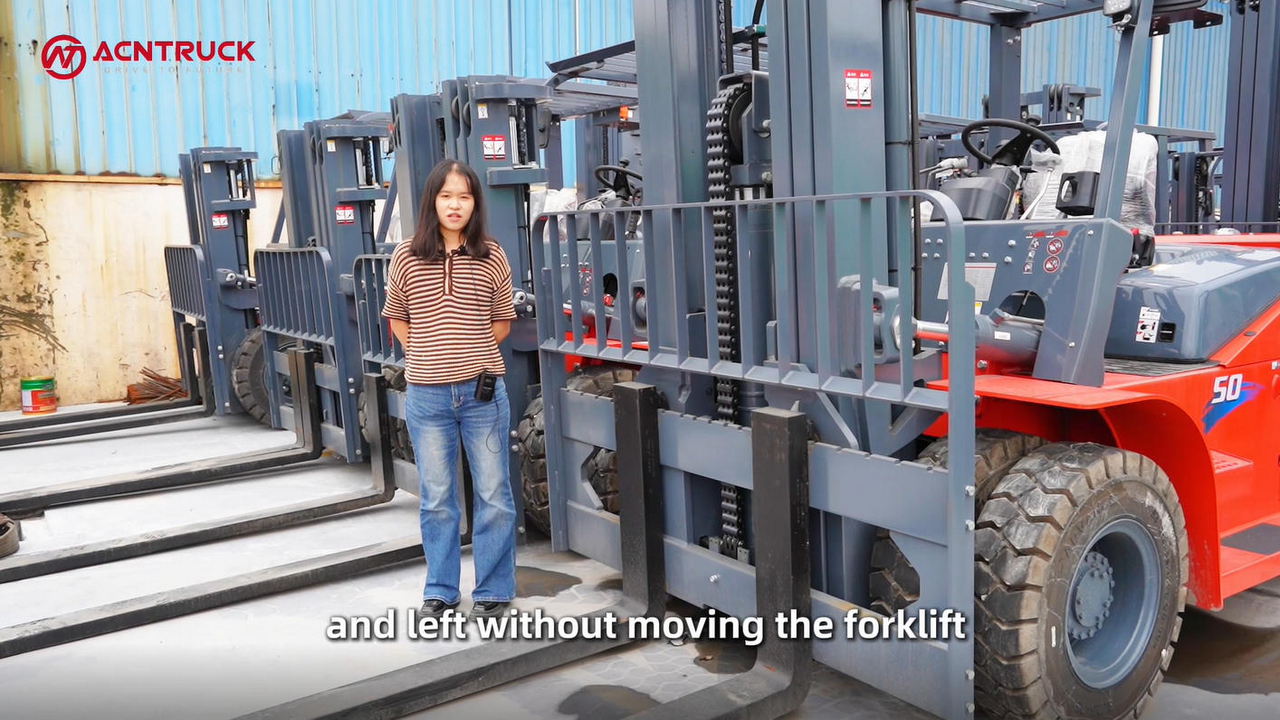
As the harsh winter sets in, low
temperatures, rain, and snow are posing increasingly severe challenges to
forklift starting performance and operational efficiency. Whether it's internal
combustion or electric forklifts, improper use in cold environments can not
only affect starting effectiveness but also lead to power loss, fluid
degradation, and even damage to critical components. To help users navigate
winter challenges, we systematically outline key maintenance priorities for
forklifts during cold seasons, providing guidance for stable, safe, and
efficient equipment operation.
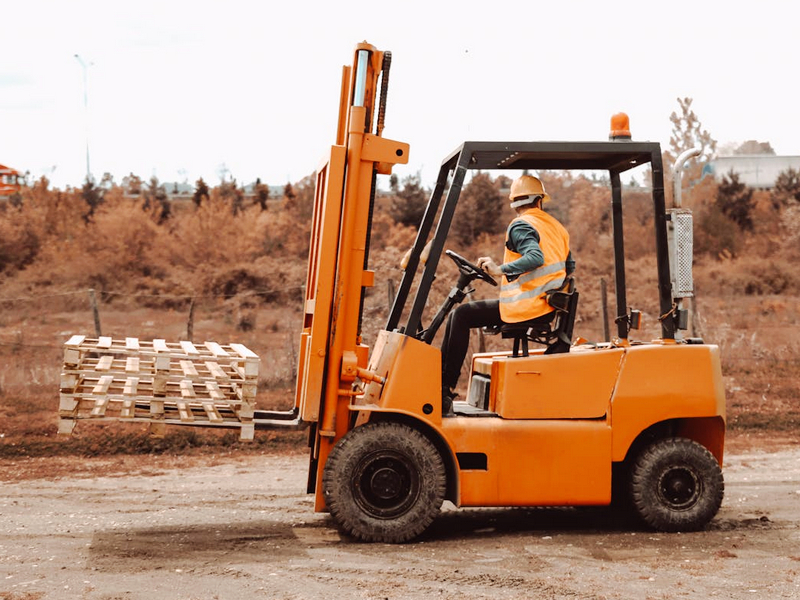
Fluid Inspection and Replacement: Addressing “Flowability” in Low-Temperature Environments
As winter temperatures drop, diesel fuel,
engine oil, gear oil, and hydraulic fluid all experience increased viscosity
and reduced flowability, adversely affecting starting performance and
operational capabilities. First, select diesel fuel with a lower pour point
based on local minimum temperatures. For example, regions south of the Yangtze
River may use 0# diesel in winter, while frigid areas like Northeast and
Northwest China should employ -20°C or -35°C diesel to prevent wax formation
and fuel supply disruptions. For engine oil, promptly switch to a
lower-viscosity grade with superior low-temperature flow properties to ensure
adequate lubrication during cold starts. Additionally, transmission and reducer
gear oils should be replaced with OEM grades suitable for winter conditions.
Winter-grade low-temperature grease should be applied to hinge mechanisms, wheel
hub bearings, and similar components. For hydraulic systems, select ISO VG46 or
ISO VG32 hydraulic oil based on actual operating environments to ensure
responsive and stable system performance during winter. Simultaneously, inspect
brake fluid for degradation and verify that the cooling system has been flushed
with seasonally appropriate antifreeze to prevent freezing and system failure.
Electric Forklift Batteries: Enhance
Thermal Protection Awareness and Strengthen Low-Temperature Safeguards
Battery capacity and charging efficiency
significantly decline in cold temperatures for electric forklifts. When
temperatures fall below 10°C, it is recommended to move vehicles and batteries
indoors for charging or parking whenever possible, avoiding prolonged exposure
to cold environments. Before daily use in winter, ensure batteries are fully
charged, but avoid prolonged high-current charging to prevent overcharging,
which can shorten battery life. Maintaining proper charging habits and storage
conditions will effectively extend battery life and ensure stable vehicle
operation.
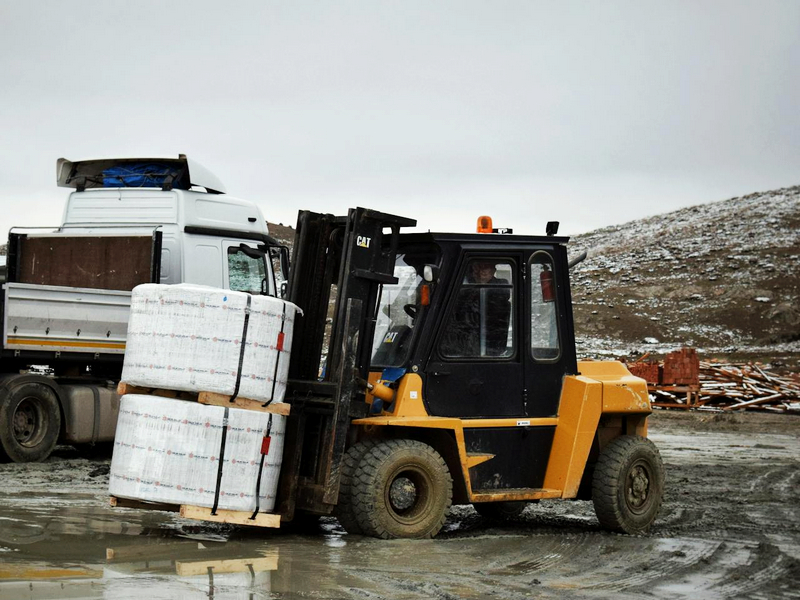
Winter for forklifts isn't just “colder”—it
means “harsher operating conditions.” Issues like thickened fluids, accelerated
component aging, and difficult starts can be amplified in low temperatures.
Therefore, proactively performing oil changes, system inspections, and battery
maintenance is crucial for ensuring smooth equipment operation and enhancing
winter work efficiency. As winter deepens, the importance of forklift
maintenance becomes increasingly evident. Advance inspections and proper usage
will help businesses maintain efficient and safe logistics operations even
during the harshest cold.

+86-21-6212-0109
+86-21-6212-0109
+86-188-0523-6192
+86-136-6172-8724
Suite 2107, Gubei International Fortune Center, No. 1438 Hongqiao Road, Changning District, Shanghai 200336, China