Forestry work is never one-size-fits-all. Whether maintaining trails, clearing brush, or supporting post-wildfire restoration, every job presents its own terrain, vegetation, and environmental challenges. As wildfires become more frequent and severe, the need to operate safely and efficiently continues to grow. Choosing the right attachment is no longer just about productivity — it’s about protecting crews, machines, and surrounding communities.
Start with the task at hand
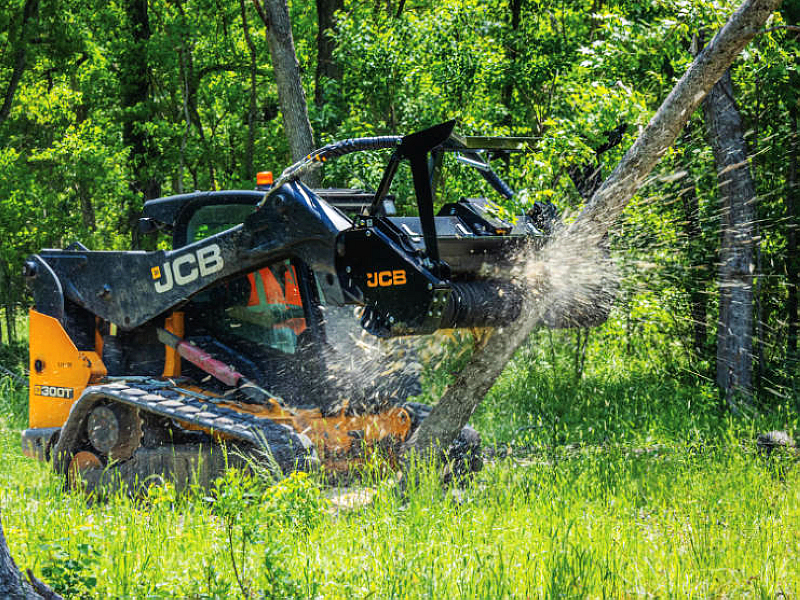
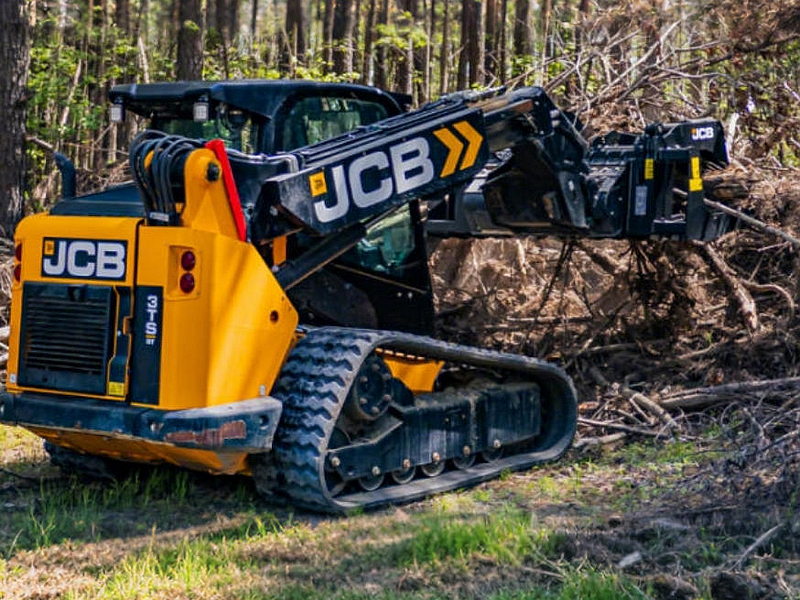
Each forestry attachment is designed for a specific purpose. Mulchers reduce thick vegetation and help create defensible spaces. Stump grinders remove tripping hazards and prepare land for replanting. Brush cutters maintain trails and perimeter lines. The right choice starts with understanding the job: Are you thinning undergrowth to reduce wildfire risk? Restoring a site after a controlled burn? Transporting debris after tree felling? The task determines the tool.
Match the attachment to the machine
Even the best forestry attachment will underperform if paired with the wrong carrier. Hydraulic flow rate and hydraulic horsepower are critical factors when reviewing attachment compatibility. Forestry mulchers, for example, often require high-flow hydraulics to run efficiently. Machines not equipped to provide sufficient flow may stall or operate below capacity.
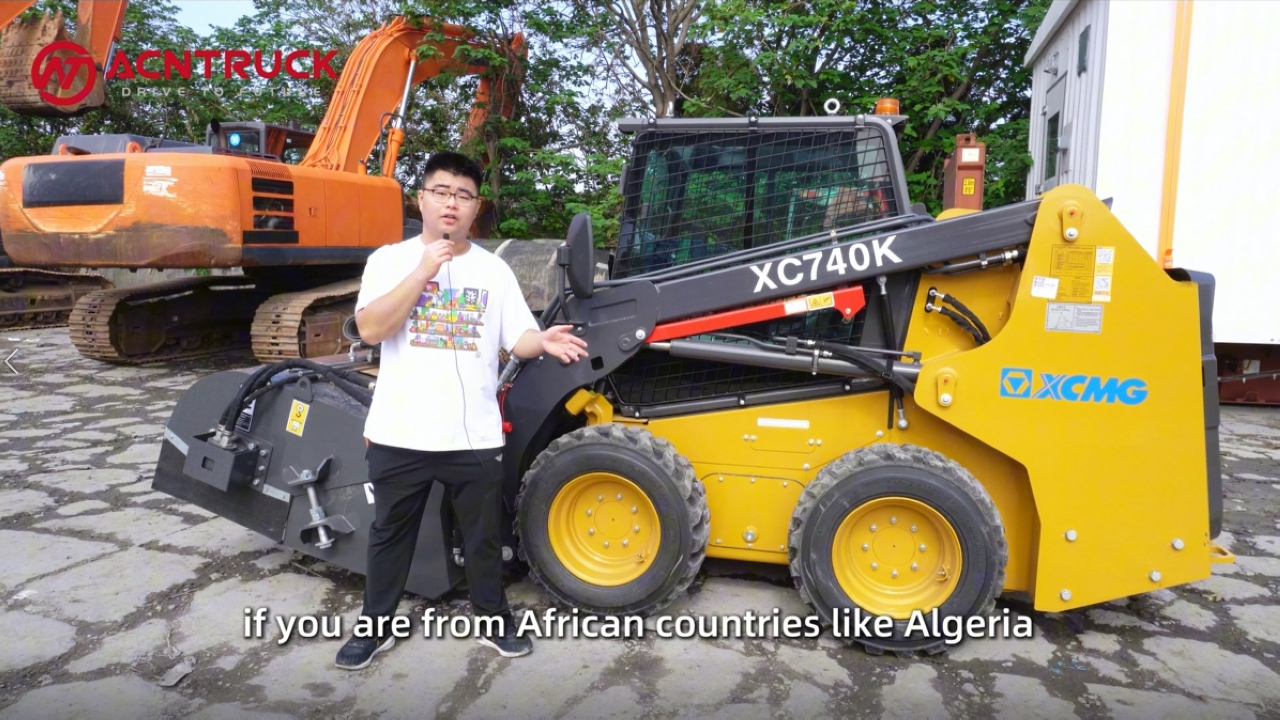
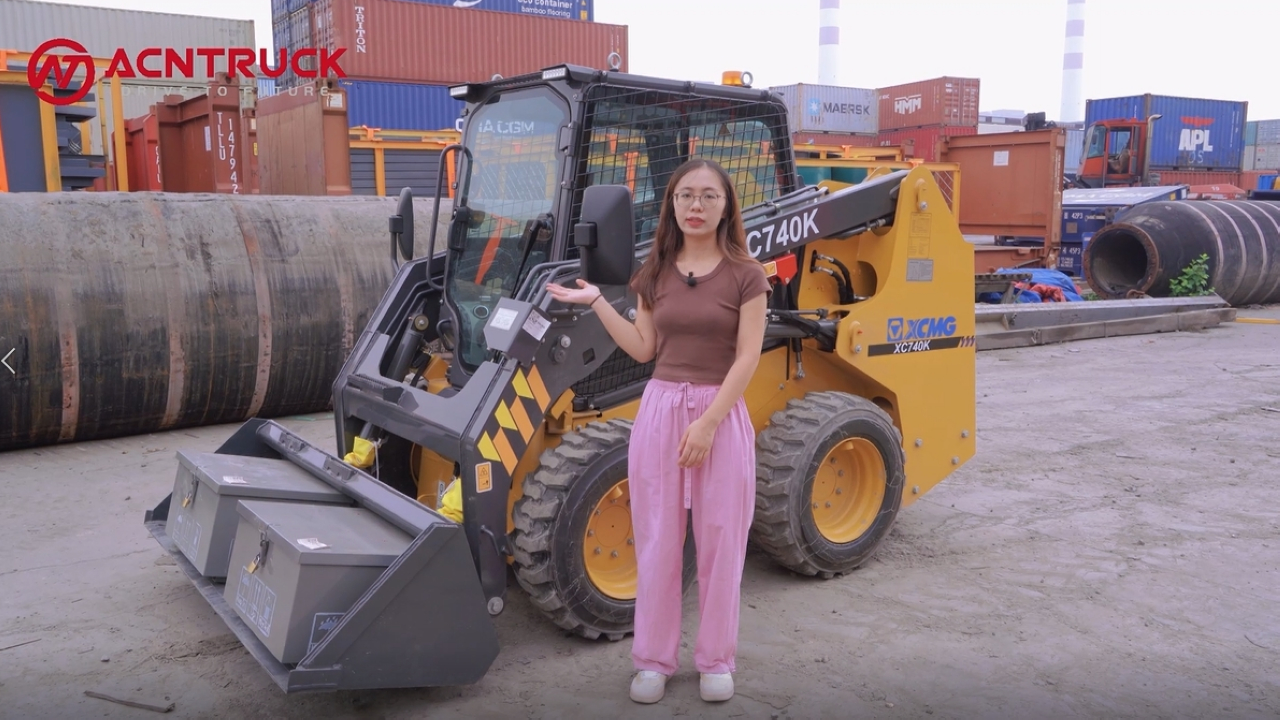
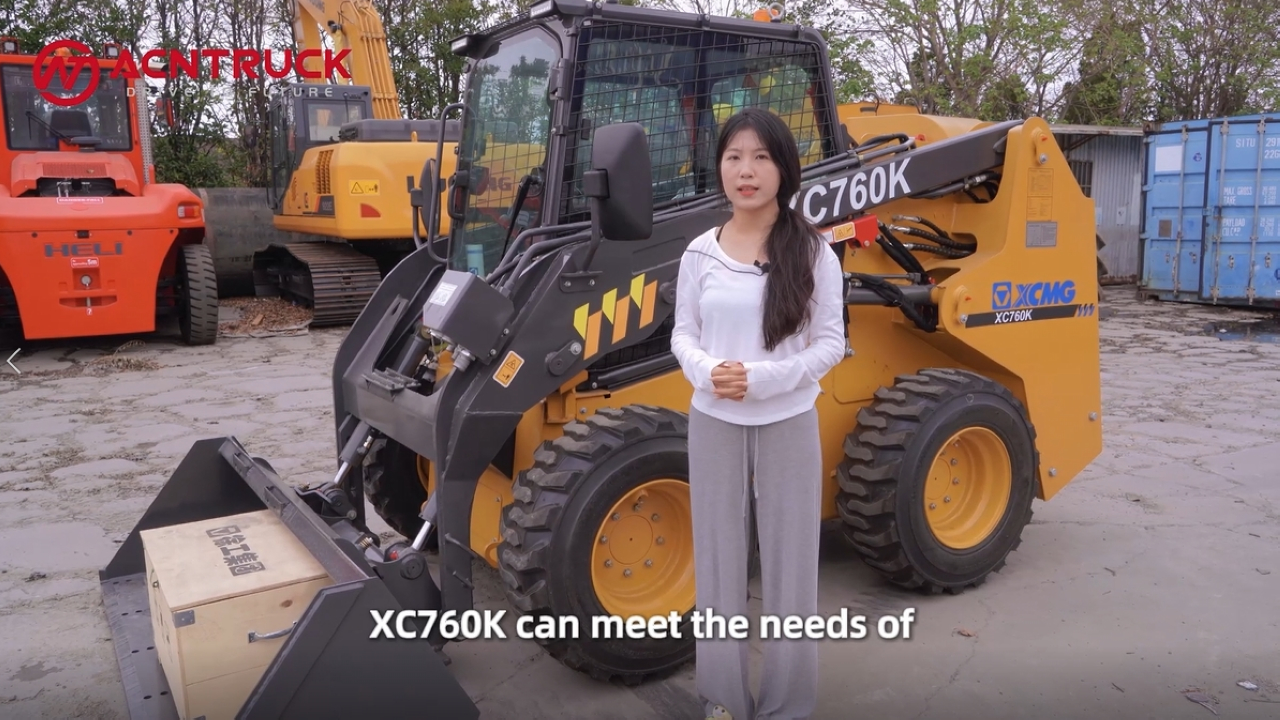
For skid steer and compact track loader users, it’s essential to verify not only the flow rate but also the machine’s cooling capacity and protective features for forestry work. Attachments with self-calibrating or auto-recovery functions can automatically adjust performance to the machine’s capabilities, reducing operator error and minimizing downtime.
Factor in the terrain
Forest conditions vary widely. Rocky or uneven ground may require mulchers with carbide teeth, which withstand impacts better than blade-style cutting systems. Stump grinders with adjustable cutting depths offer greater control in hilly or root-heavy environments. In fire-damaged forests or sloped areas, attachment weight, balance, and maneuverability significantly impact stability and safety.
Ensure quick attachment compatibility
In fast-paced or multiphase forestry jobs — especially during emergency wildfire response — quick attachment changes can substantially boost efficiency. Look for attachments that meet ISO coupler standards to ensure compatibility across multiple machine types. Sealed quick-attach systems also help prevent debris intrusion, reducing the risk of jams or delays.
Prioritize safety features
Forestry work involves inherent hazards, particularly in burn zones or areas with fire-weakened trees. Choose attachments with built-in safety features such as protective shrouds on stump grinders, reinforced housings on mulchers, and guarded hoses on high-flow attachments. In wildfire recovery operations, closed or pressurized cabs paired with properly spec’d attachments help protect operators from ash, dust, and smoke.
Make the most of your investment
Selecting the right forestry attachment requires looking beyond basic specifications. Undersized attachments wear out faster and slow down crews, while oversized tools can overload equipment and compromise safety. For unpredictable conditions — from wildfire recovery to storm cleanup — durability and versatility are essential.
Smart buyers also consider total cost of ownership. Features such as replaceable teeth, reinforced blades, and modular components extend attachment life and reduce repair expenses. Working with a trusted dealer helps ensure that job requirements align with machine capabilities, supported by OEM tools and technical expertise.
The right attachment setup empowers forestry crews to work faster, safer, and with greater adaptability to changing conditions. Before your next project, consult your dealer to ensure your equipment is properly equipped — and ready to perform no matter what challenges the terrain or season may bring.