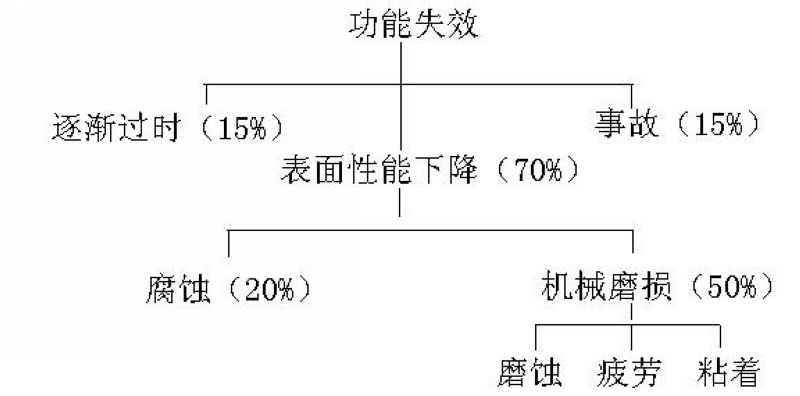
Fluid contamination is one of the core
factors affecting the reliability and service life of hydraulic systems.
Research indicates that approximately 70% of system failures stem from fluid
contamination, with about 20% caused by corrosion and 50% resulting from
mechanical wear. Solid particles, moisture, and air within contaminants
directly lead to system malfunctions and must be strictly controlled.
I. Types of Contaminants in Hydraulic Fluids
Based on their physical state, contaminants
can be categorized into three types:
Solid Contaminants: Copper filings, iron particles, dust, mineral powders, etc., are the primary cause of mechanical wear. Most particles are smaller than 40μm in diameter, making them invisible to the naked eye yet sufficient to cause wear in system clearances. Internationally, the NASA 1638 cleanliness standard is widely adopted for grading particle contamination in hydraulic fluids, serving as a critical benchmark for assessing fluid cleanliness.

Liquid contaminants: Primarily water. Water
causes oil oxidation, metal corrosion, additive degradation, and emulsion
failure. In severe cases, it can freeze at low temperatures, blocking system
passages and causing operational failure.
Gaseous contaminants: Mainly air and other
gases. Air entering the system may form bubbles, leading to cavitation,
increased noise, response delays, accelerated temperature rise, and accelerated
oil oxidation, thereby shortening component life.
These three contaminants can transform into
one another under varying temperatures and pressures, and mechanical or
chemical interactions can further exacerbate system damage.
II. Relationship Between Oil Oxidation and
Service Life
Oil oxidation is one of the primary causes of lubricant failure, with oxidation byproducts accounting for approximately 4% to 5% of the total oil volume. The oxidation rate significantly increases when metal particles, moisture, and high temperatures are present simultaneously in the oil.
Experiments show iron can increase oxidation rates by 10 times, while copper can boost them over 30 times.
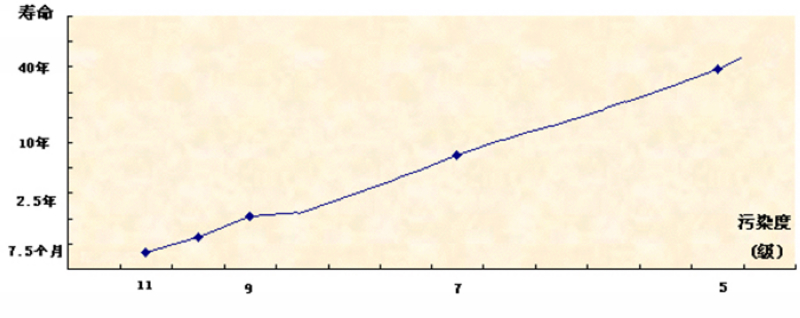
Typically, reducing contamination by one
grade (based on NASA 1638) doubles system lifespan, and vice versa. Thus,
cleanliness directly determines hydraulic system longevity.
III. Primary Sources of Contaminants
Oil contaminants primarily originate from
three sources:
Residues from system manufacturing and
assembly: including machining debris, welding slag, seal fragments, etc.
Wear and oxidation products generated
during equipment operation。
External ingress during use and
maintenance, such as oil replenishment, repairs, or environmental dust entering
the system.
IV. Formation Mechanisms of Contaminants
Contaminants are predominantly generated
through mechanical wear and chemical erosion:
Mechanical Wear
Abrasive Wear: Particles entrained in
high-velocity fluid impact component surfaces, causing material spalling.
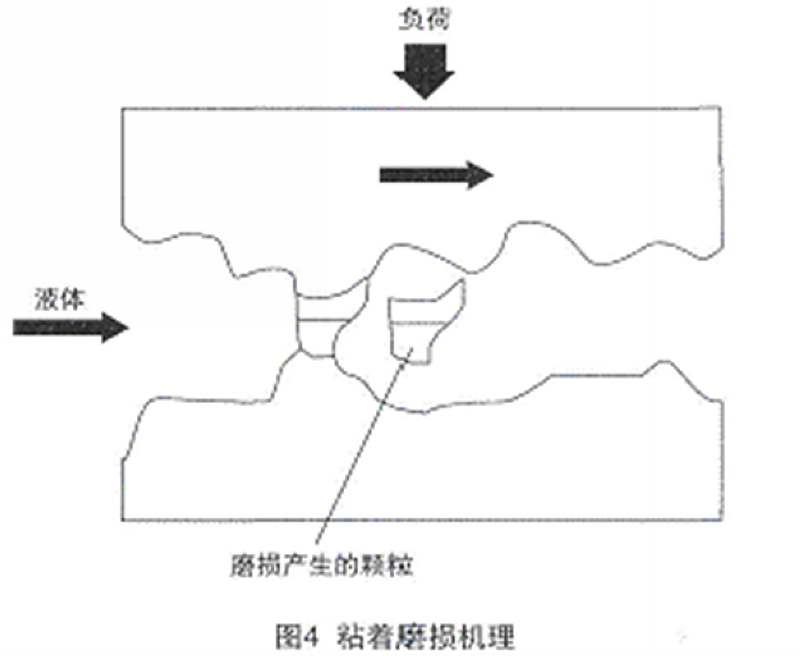
Adhesive Wear: Direct metal-to-metal
contact and adhesion under high loads, low speeds, or insufficient oil film
thickness, forming metallic particles.
Fatigue Wear: Surface material cracks and
flakes off under repeated stress cycles.
Chemical Erosion
Acidic substances generated by oil
oxidation react with metal surfaces, causing corrosion and oil degradation,
which further accelerates wear.
V. Control and Protection Recommendations
Strictly enforce oil cleanliness standards and conduct regular contamination level testing. Maintain the integrity of the filtration system, promptly replacing filter elements and oil. Control environmental cleanliness to prevent external contamination during maintenance. Enhance equipment sealing to prevent air and moisture ingress. Implement online purification and monitoring technologies for real-time oil condition management.
Oil contamination is the “invisible killer”
of hydraulic systems. Through systematic monitoring, prevention, and
purification management, equipment lifespan can be effectively extended,
failure rates reduced, and overall operational reliability and economic
efficiency enhanced.

+86-21-6212-0109
+86-21-6212-0109
+86-188-0523-6192
+86-136-6172-8724
Suite 2107, Gubei International Fortune Center, No. 1438 Hongqiao Road, Changning District, Shanghai 200336, China