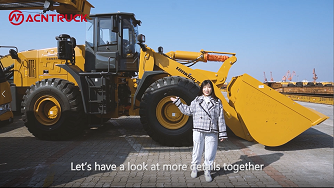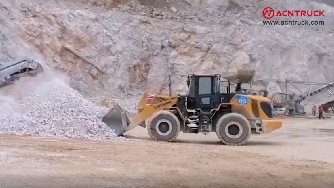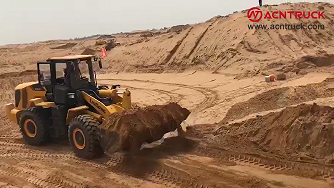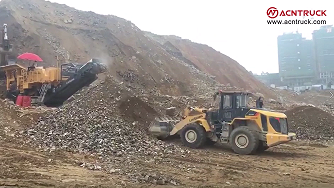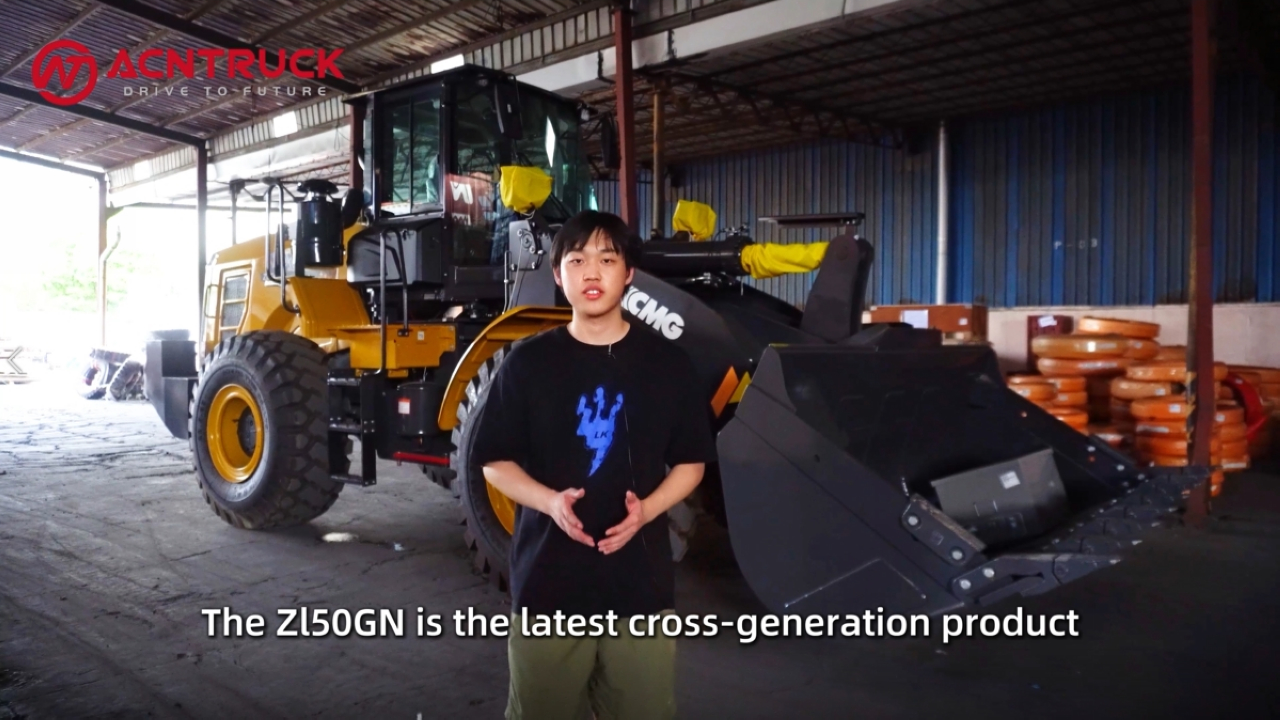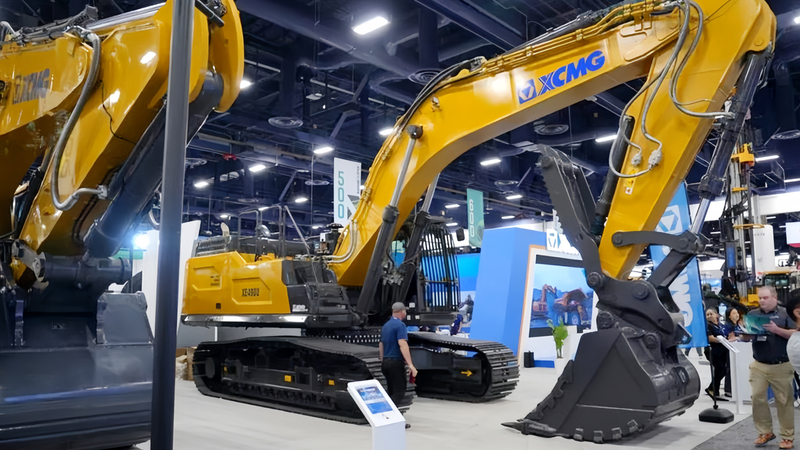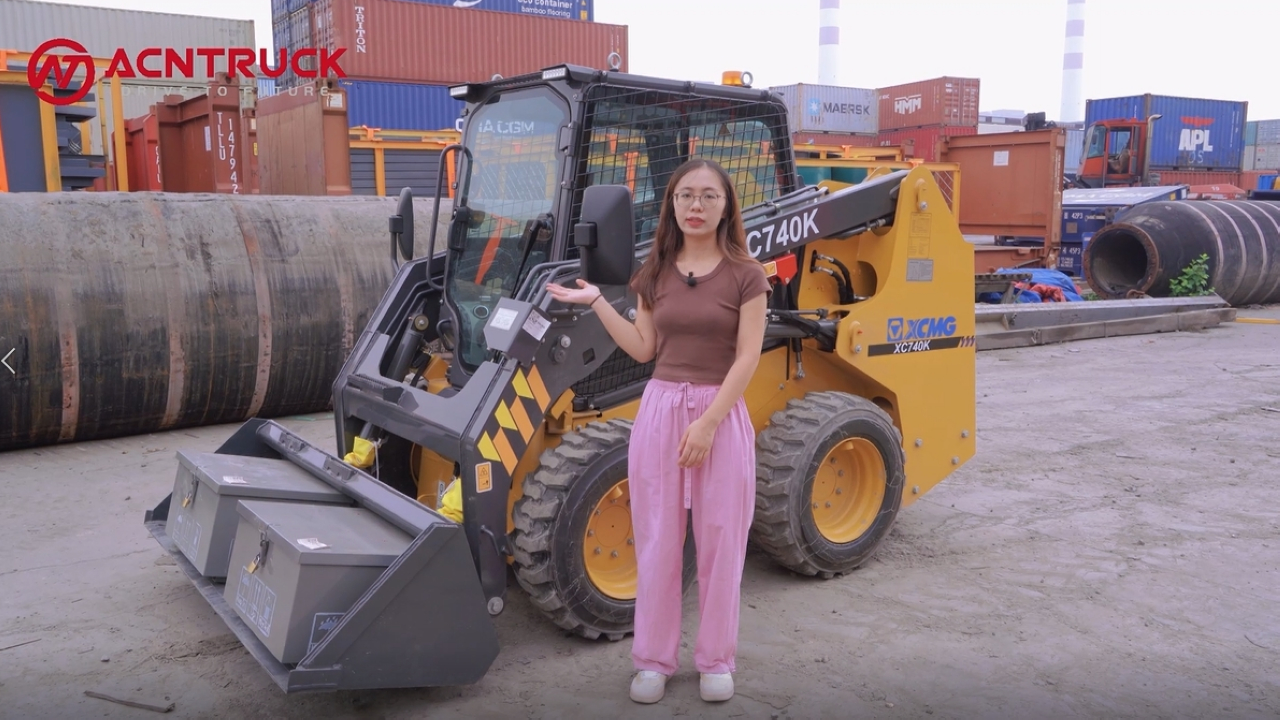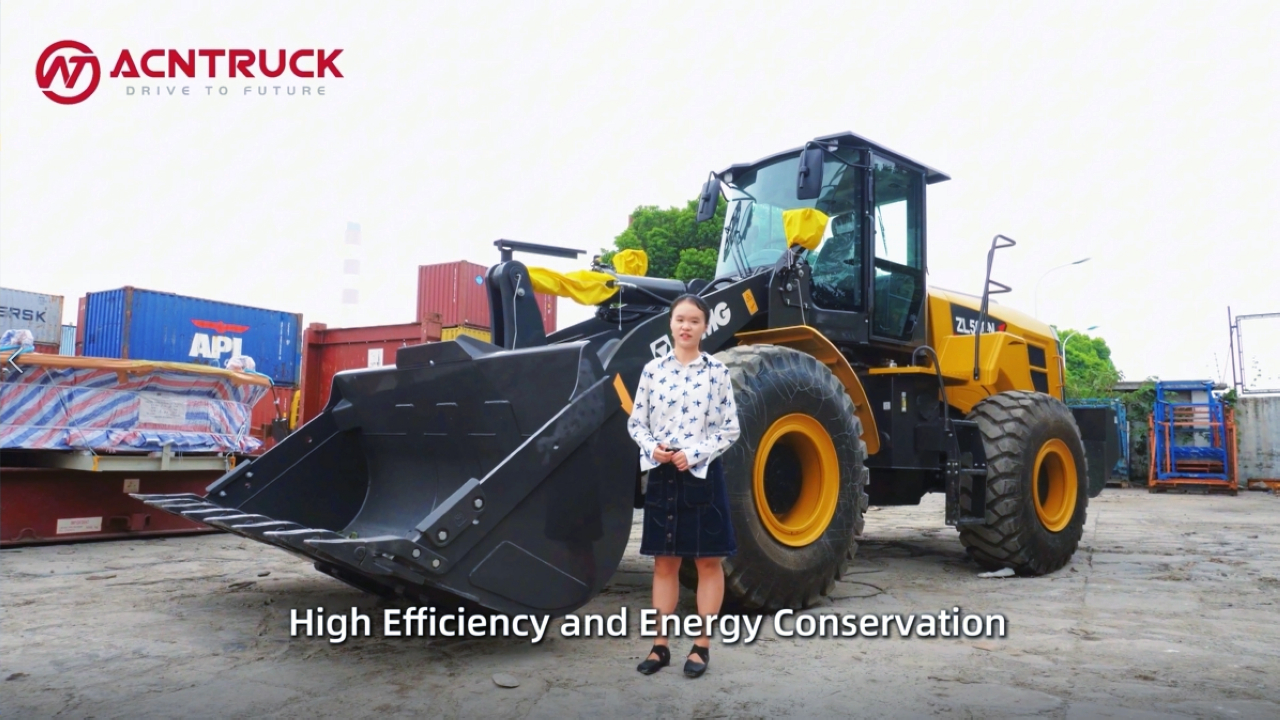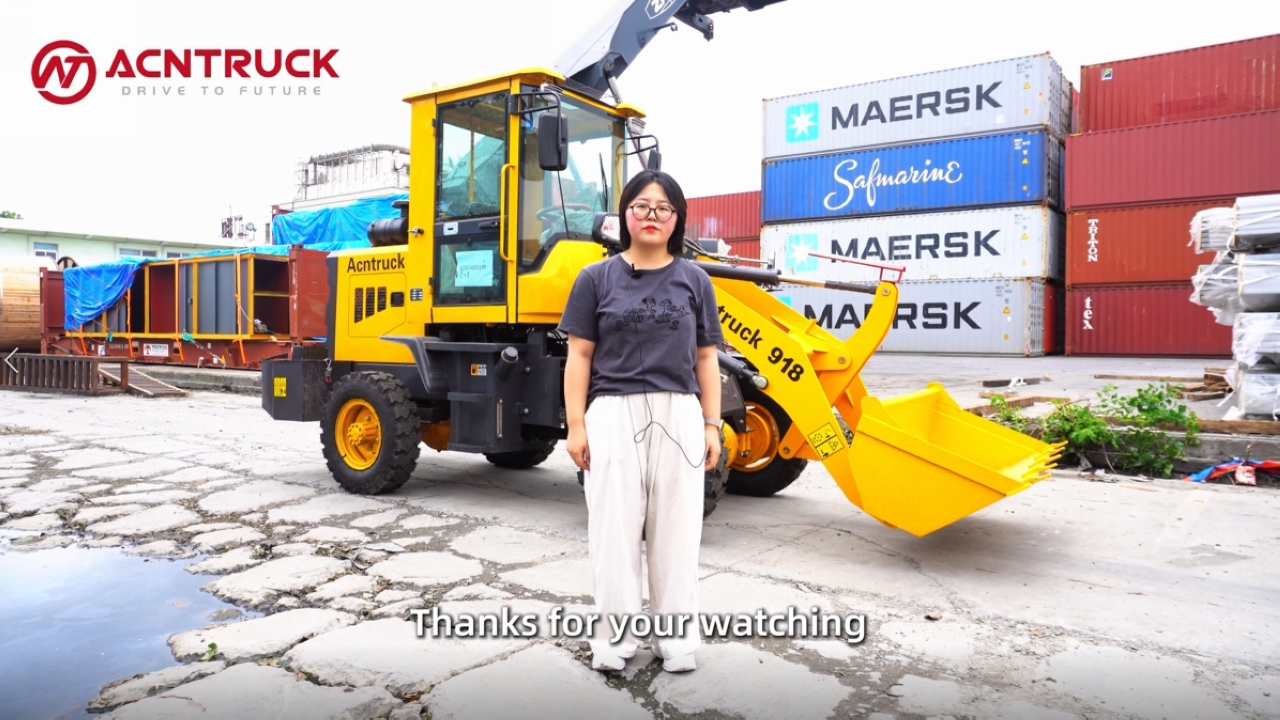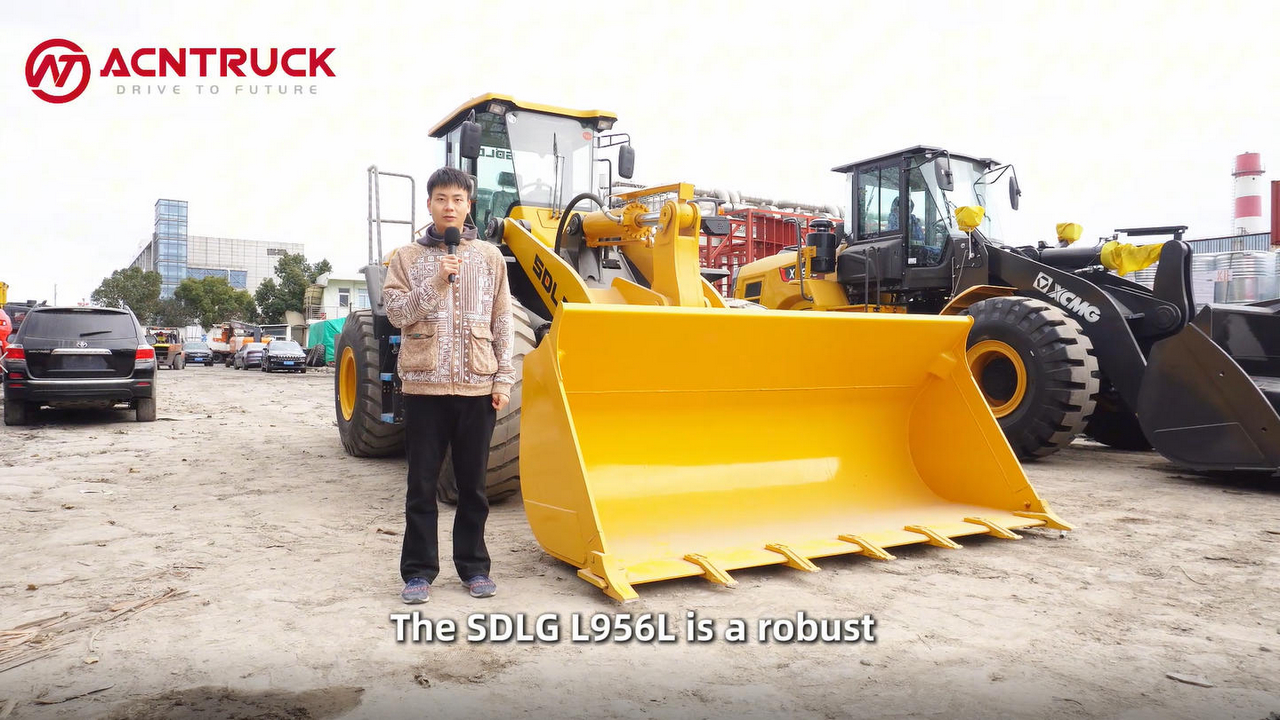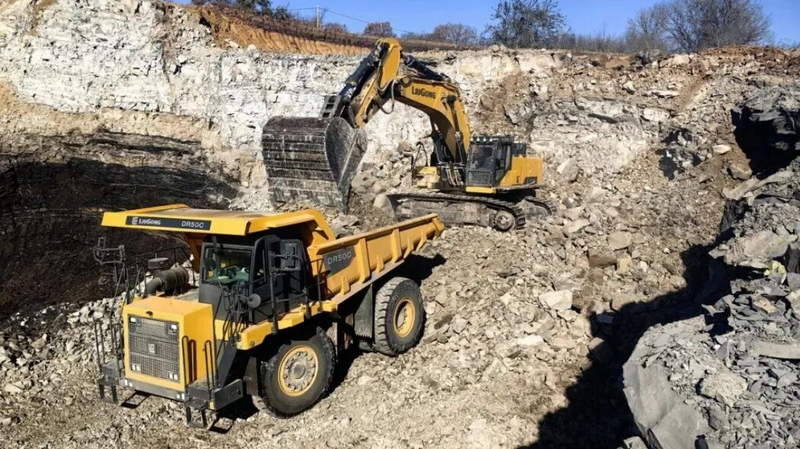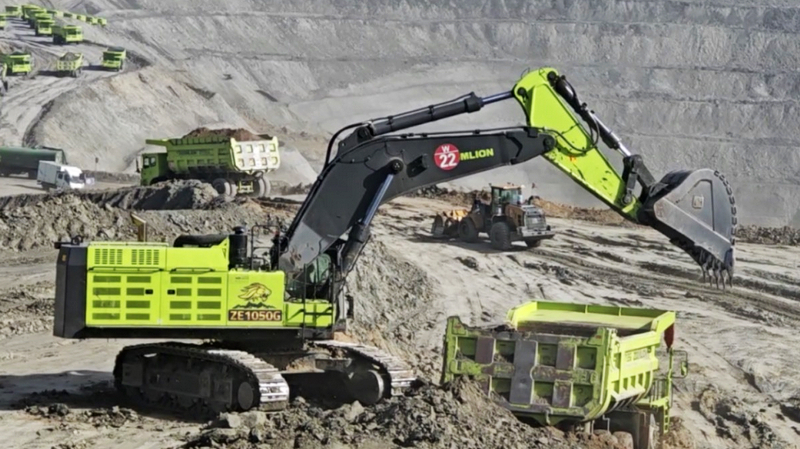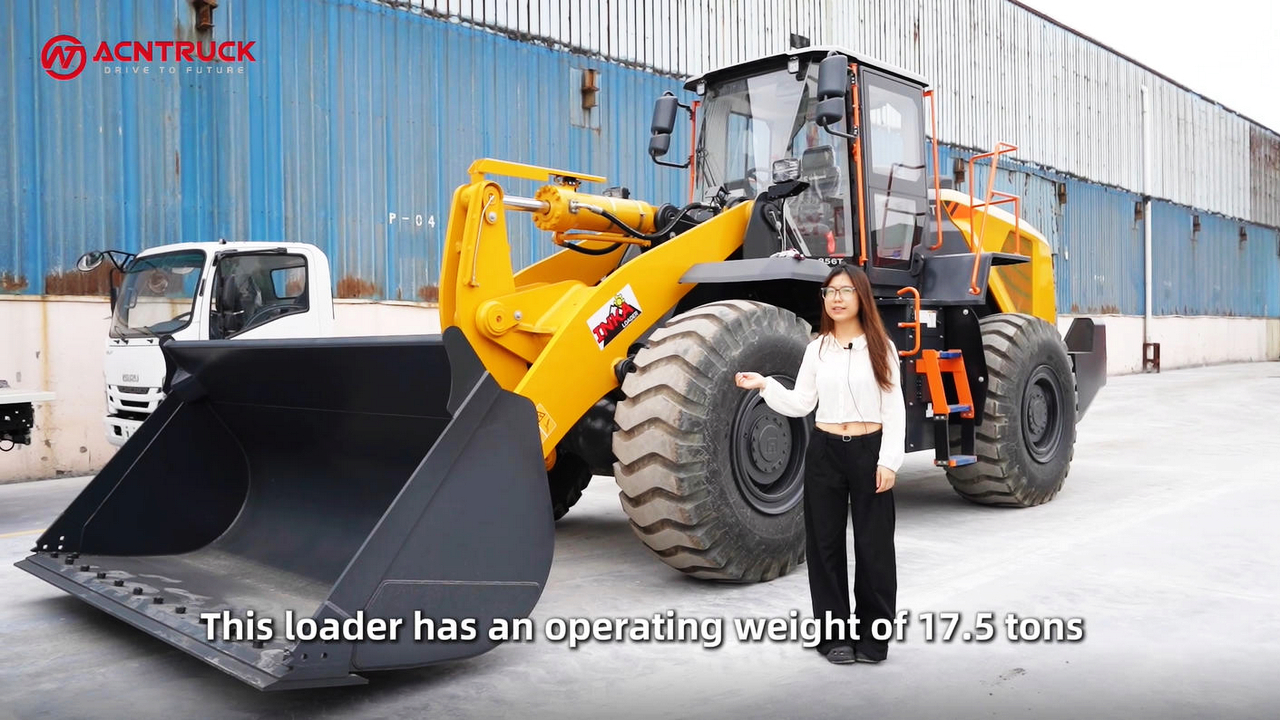
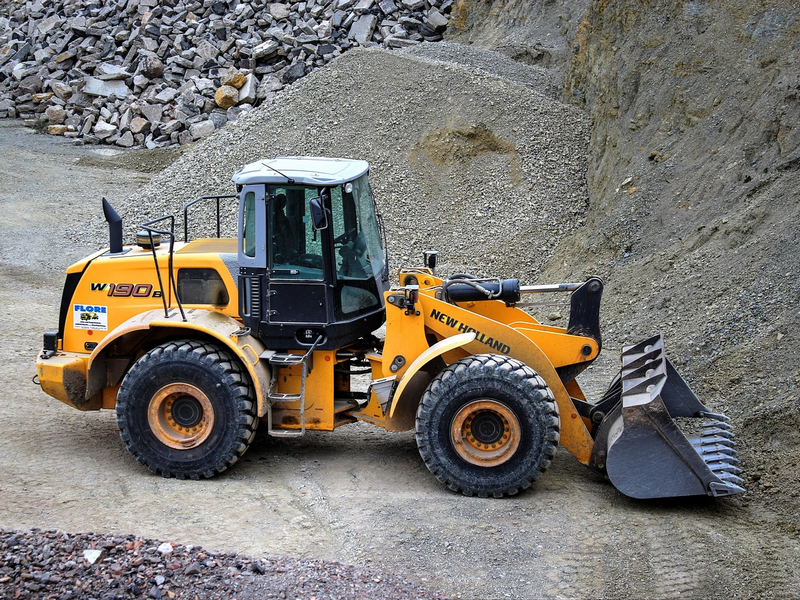
As temperatures continue to drop, low-temperature environments place higher demands on a loader's starting performance, hydraulic system, and overall reliability. Scientific and systematic winter maintenance is crucial for reducing breakdown downtime and extending equipment lifespan. Considering common winter operating conditions, the following systematically outlines key winter maintenance points for loaders, covering fluid management, electrical systems, and operational protocols.
I. Selecting Appropriate Fluids
The primary goal of winter maintenance is to prevent fluid freezing or viscosity increases that could disrupt system operation. Carefully selecting antifreeze, diesel fuel, engine oil, and hydraulic fluid can significantly reduce low-temperature failures.
· Antifreeze Management
Select antifreeze based on the local minimum temperature, with a recommended freezing point approximately 10°C below the lowest expected temperature. For example, if the local minimum temperature is -10°C, use -20°C or -25°C antifreeze. Before replacement, thoroughly drain the existing coolant and flush the cooling system to prevent mixing with old fluid, which could compromise freeze protection and heat dissipation.
· Diesel Grade Selection
At low temperatures, diesel fuel may wax, causing poor fuel flow. Select the appropriate grade based on ambient temperature:
Above 4°C: No. 0 diesel
-5°C to 4°C: No. -10 diesel
-14°C to -5°C: No. -20 diesel
-35°C diesel for regions below -14°C
If diesel has frozen, never use open flames to heat the fuel tank. Employ safe heating methods instead.
· Engine Oil and Hydraulic Fluid Selection
In cold or frigid regions, select engine oils and hydraulic fluids with superior low-temperature flow properties. This reduces starting resistance and ensures effective lubrication and protection for engines and hydraulic systems in cold conditions.
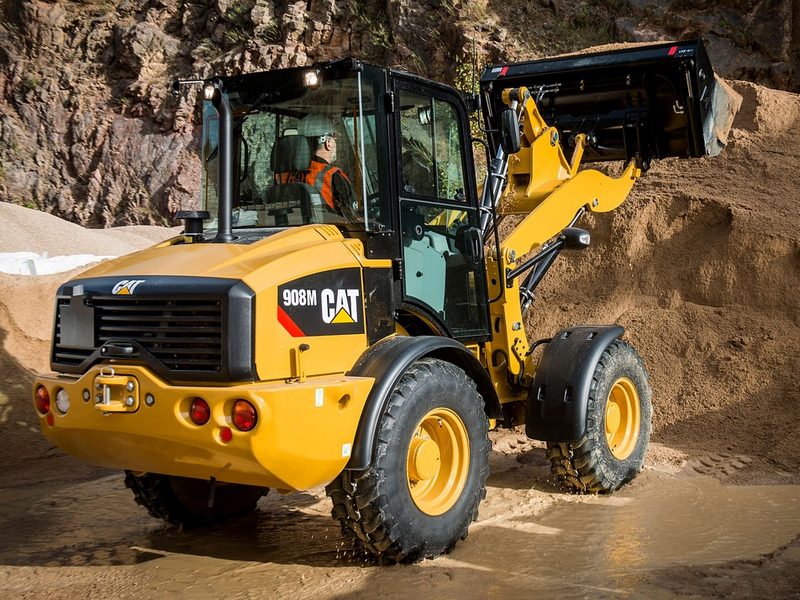
II. Enhanced Battery Maintenance
Battery capacity significantly decreases in low-temperature environments. Avoid prolonged continuous cranking during difficult starts to prevent starter motor damage. When equipment is idle for extended periods, remove the battery and store it in a warm environment. Additionally, regularly inspect battery terminals for oxidation. Clean and apply petroleum jelly as needed to maintain optimal conductivity.
III. Standardize Preheating Procedures
After starting the loader, maintain low-speed idle operation for approximately 5–10 minutes until the coolant temperature gradually rises before commencing work. Prior to operation, repeatedly raise and lower the boom and bucket multiple times to ensure thorough circulation and warming of hydraulic fluid within the system. This effectively protects the hydraulic pump, oil seals, and other sealing components, preventing leaks or premature damage caused by low-temperature brittleness.
IV. Proper Parking and Post-Operation Inspection
After completing work, park the loader on level, solid ground sheltered from wind and exposed to sunlight. Avoid damp or waterlogged areas. Overnight freezing temperatures can cause tires to freeze to the ground, potentially damaging them during forced starts the next day. Additionally, drain accumulated water from the air reservoir daily to prevent ice buildup in the air lines, which could cause brake system failures.
Winter presents both challenges and opportunities for loaders, serving as a critical period to evaluate maintenance standards. By scientifically selecting fluids, enhancing electrical and battery management, and adhering to standardized startup and parking procedures, operators can not only significantly reduce low-temperature failure rates but also substantially extend equipment lifespan. These practices ensure the safety and operational reliability of loaders during winter construction.

+86-21-6212-0109
+86-21-6212-0109
+86-188-0523-6192
+86-136-6172-8724
Suite 2107, Gubei International Fortune Center, No. 1438 Hongqiao Road, Changning District, Shanghai 200336, China