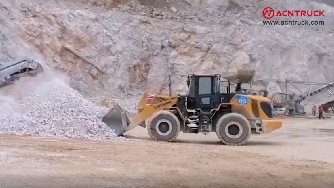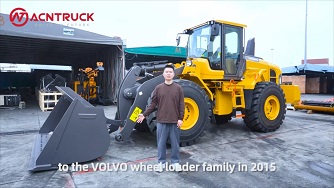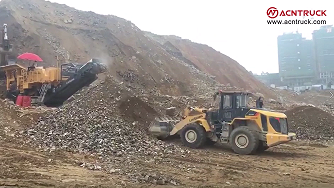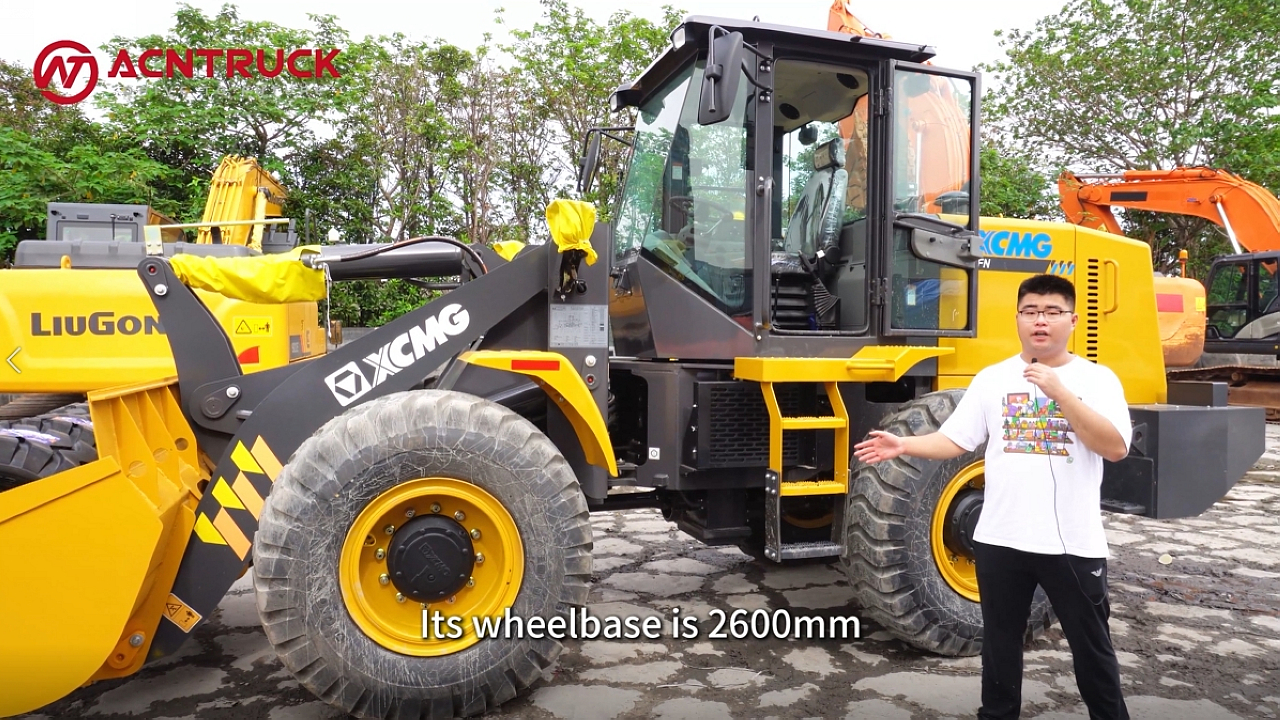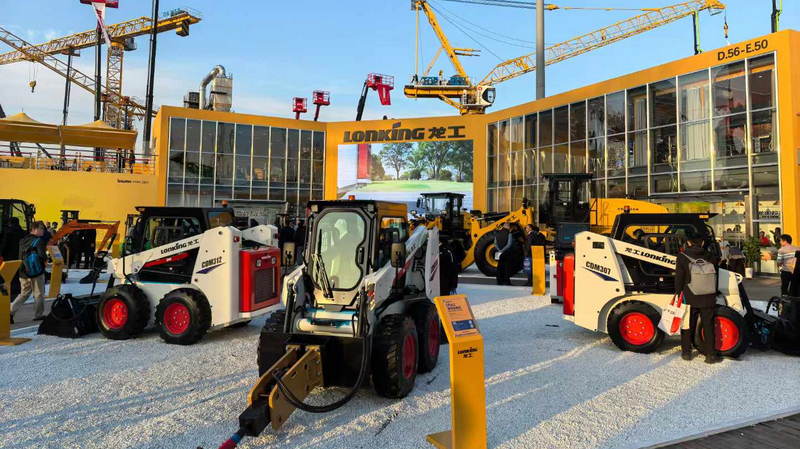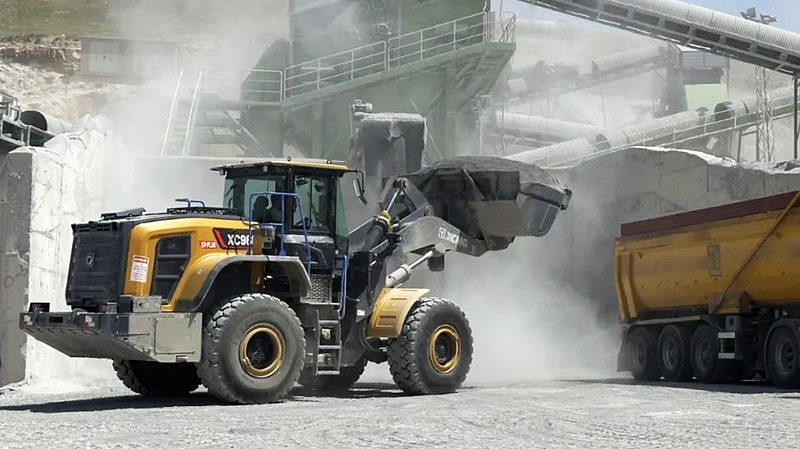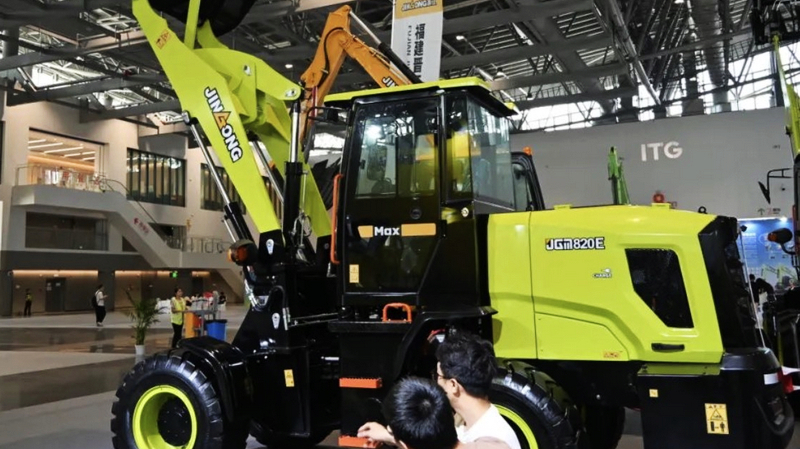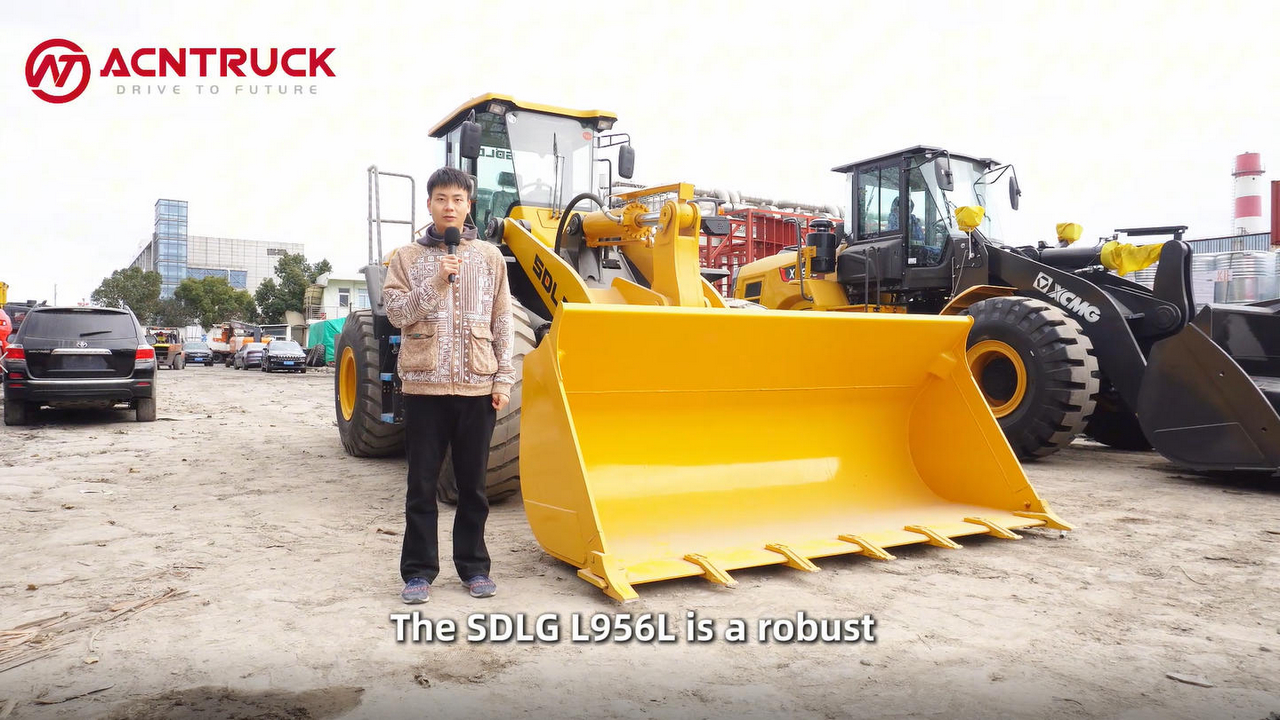
In construction projects and material
handling operations, loaders serve as critical, frequently used equipment. The
scientific selection of loaders directly impacts construction efficiency,
operational costs, and equipment lifespan. Practice demonstrates that
operational efficiency does not simply depend on “high horsepower” or “large
buckets,” but rather results from the coordinated interaction of multiple core
performance parameters. Properly understanding and applying these parameters
has become a specialized discipline in equipment selection.
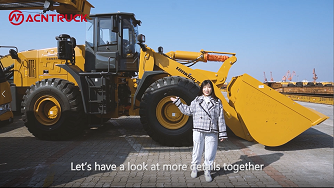
This article provides a technical analysis
of the three most critical indicators in loader selection—rated load capacity,
engine power, and bucket capacity—to help users make more rational and
efficient decisions across different operating conditions.
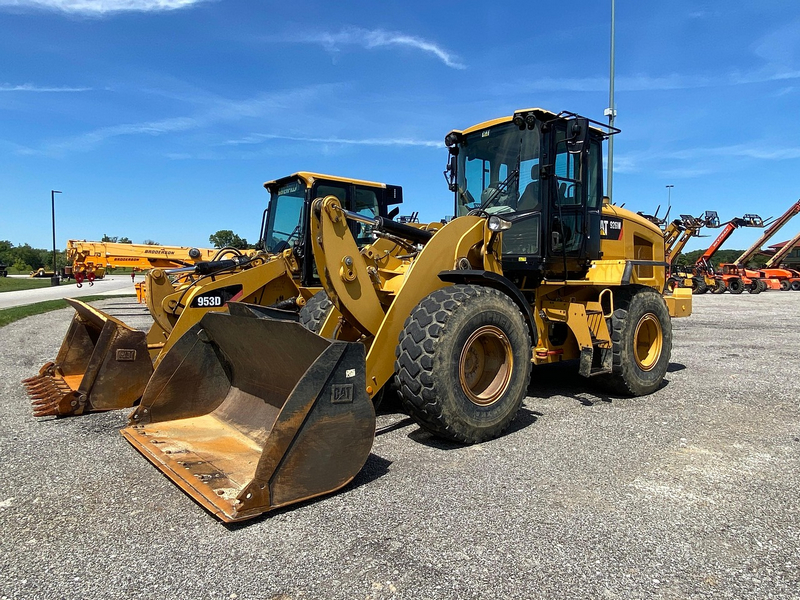
Rated Load Capacity: The Foundational Parameter Determining Single-Cycle Workload
Rated load capacity refers to the maximum
permissible material weight a loader can handle in a single operating cycle
under safe and stable conditions. This parameter directly determines the
equipment's single-load capacity and serves as a fundamental basis for
evaluating overall machine capability.
In practical applications, mismatches
between rated load capacity and operating conditions often lead to efficiency
losses:
On one hand, undersized models limit
material handling per cycle, forcing increased cycle frequency. This not only
extends operation time but also significantly raises fuel consumption and
equipment wear. On the other hand, oversized models waste procurement and
operating costs. In confined spaces or complex conditions, excessively large units
compromise maneuverability and construction efficiency.
Therefore, the optimal selection of rated
load capacity should be based on the primary material type, loading intensity,
and operational space, aiming for “adequate and efficient” performance rather
than simply pursuing higher tonnage.
Engine Power: The Core Driving Force for Operational Efficiency
Engine power is typically measured in
kilowatts (kW), reflecting the engine's ability to deliver work output per unit
of time. As the power core of the entire machine, engine power determines the
energy available to the hydraulic system, ultimately converting into travel
propulsion and the breakout force required for digging, loading, and lifting.
Power levels directly impact the loader's
operational rhythm and responsiveness. Insufficient power can lead to issues
like weak breakout force, slow lifting, and sluggish travel during heavy
material loading, continuous operation, or hill climbing, significantly
reducing efficiency.
However, it's important to note that more
power isn't always better. If engine power is mismatched with the hydraulic or
transmission systems, excess power cannot be effectively utilized. This leads
to increased fuel consumption, creating “power redundancy.”
Therefore, an efficient loader power system
emphasizes harmonious coordination between power output and the entire
machine's systems. It ensures operational capability while balancing energy
efficiency and economy.
Bucket Capacity: The Key Variable Affecting Single-Pass Material Volume
Bucket capacity refers to the volume of
material the bucket can hold, typically measured in cubic meters (m³). It
directly determines the amount of material that can be transported in a single
“dig-lift-dump” cycle, representing the final factor influencing efficiency.
Selecting bucket capacity isn't simply a
matter of enlarging it; it requires precise matching with rated load capacity
and material density. The core principle is to maximize single-load volume
without exceeding the rated load capacity.
For instance, when loading high-density
materials like sand, gravel, or ore, an excessively large bucket risks
overload. Conversely, for low-density materials such as coal or wood chips,
appropriately increasing bucket capacity can significantly boost single-cycle
efficiency.
Therefore, thoroughly considering material
characteristics is the fundamental prerequisite for realizing the value of
bucket capacity.
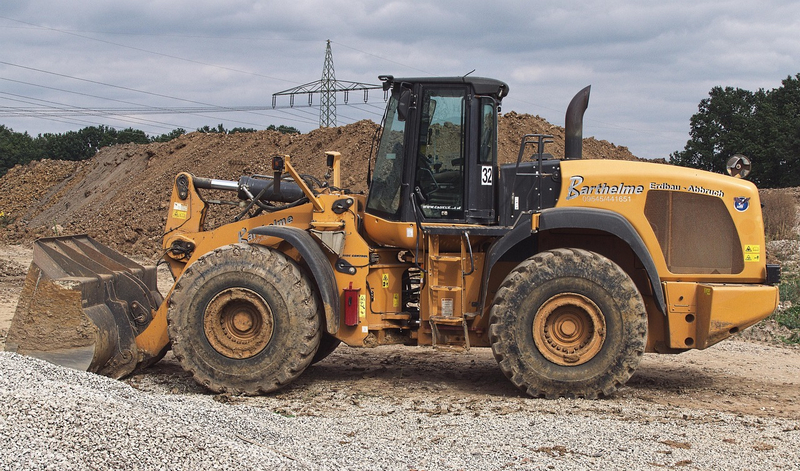
System Matching: The Core Logic of Efficient Selection
From rated load capacity to engine power to
bucket volume, these three parameters do not exist in isolation. Instead, they
form an interconnected system where each element constrains and supports the
others. Only through rational matching between operational requirements,
overall machine configuration, and parameter combinations can a loader achieve
the optimal balance between efficiency, energy consumption, and reliability.
Indeed, parameter matching itself
constitutes a rigorous systems engineering endeavor. As construction
environments grow increasingly complex and users intensify their focus on
operational costs, scientific selection and precise matching are becoming
pivotal to enhancing the utility value of loaders.

+86-21-6212-0109
+86-21-6212-0109
+86-188-0523-6192
+86-136-6172-8724
Suite 2107, Gubei International Fortune Center, No. 1438 Hongqiao Road, Changning District, Shanghai 200336, China