Cold snaps and persistent snowfall pose
significant challenges to road traffic, campus operations, and construction
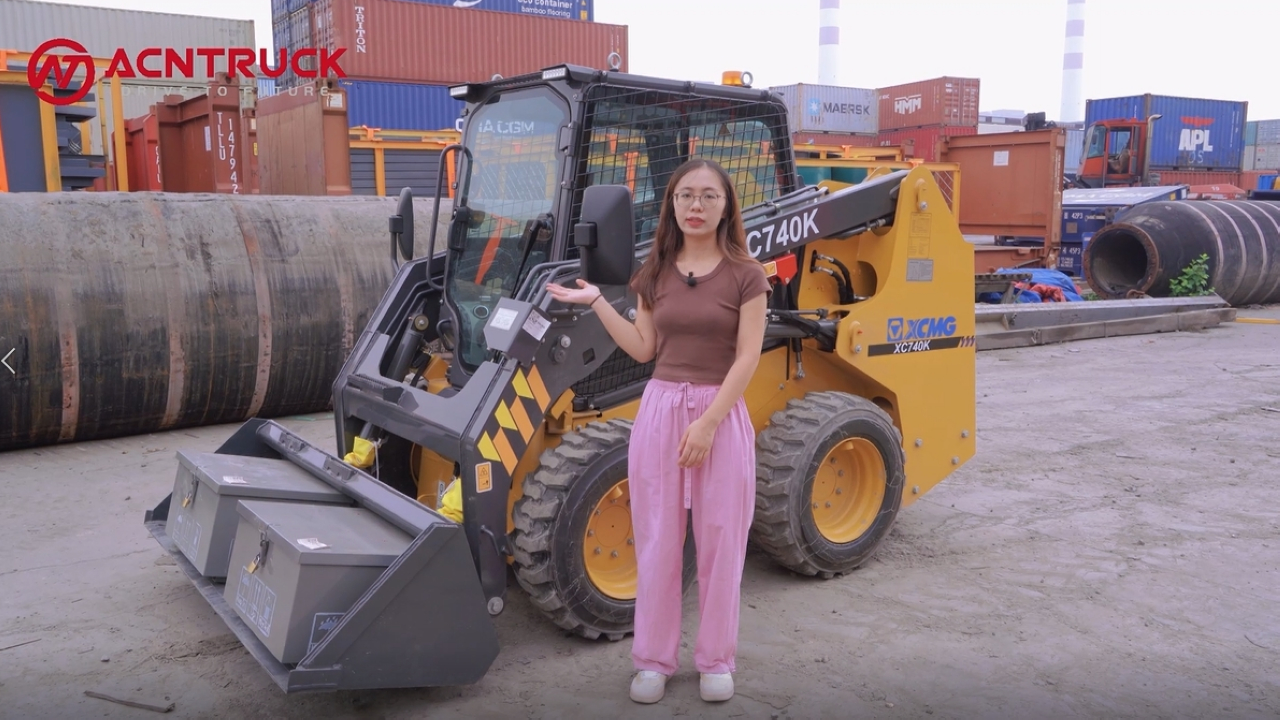
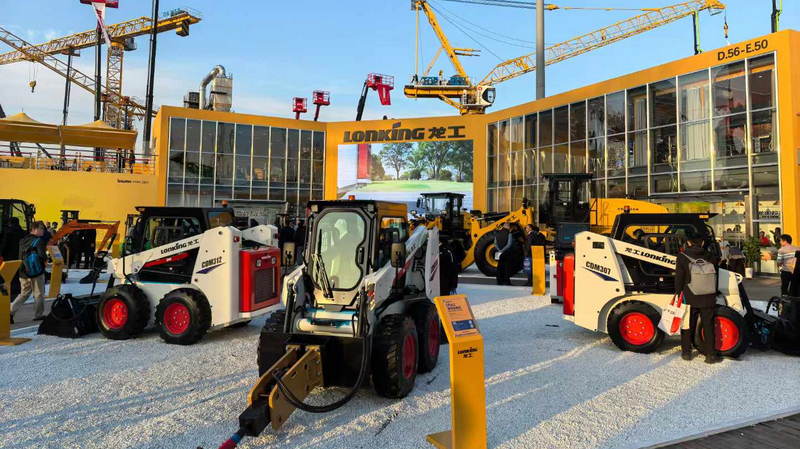
sites. Among various snow removal equipment, skid steer loaders have become a
commonly used solution for municipal roads, industrial parks, warehousing
logistics, and community settings due to their agility, strong attachment
adaptability, and high operational efficiency.
Drawing on years of frontline equipment
application experience, this guide systematically outlines key considerations
for selecting snow removal attachments and standardizes operational procedures,
providing a reference technical solution for winter snow clearance operations.
I. Key Considerations for Attachment
Selection: Parameter Matching is Critical
In snow removal operations, the
compatibility between attachment performance and the host machine directly
impacts efficiency and safety. When selecting attachments, focus on the
following core parameters:
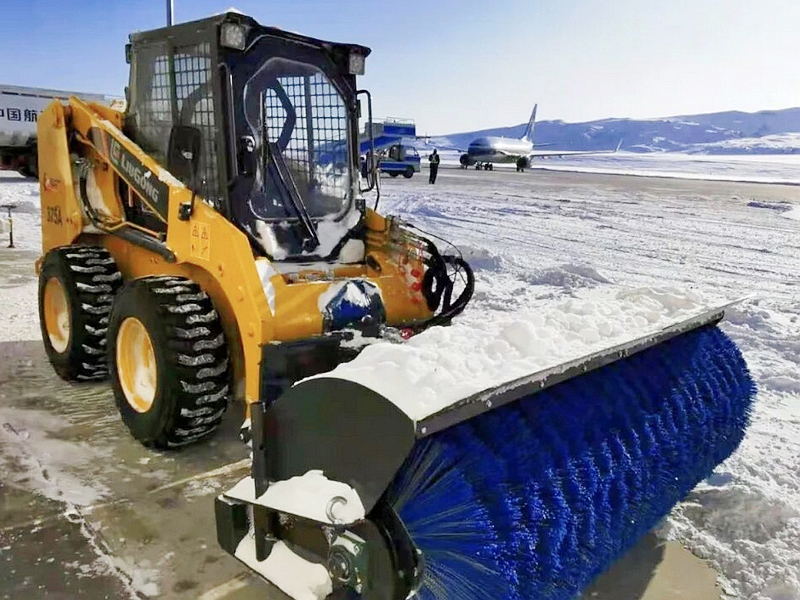
· Working Width: Determines the coverage area per pass. Greater width increases efficiency, but must be balanced with the width of the work area and the host machine's power to avoid insufficient power or difficult handling due to excessive width.
· Compatible Machine Models: The attachment must match the total weight and rated load capacity of the skid steer loader to prevent overload operation, ensuring equipment stability and service life.
· Hydraulic Pressure and Flow: The hydraulic requirements of the attachment should align with the parameters of the host machine's hydraulic system. For high-flow applications like snow blowers and sweepers, compatibility can be achieved by selecting a high-flow hydraulic system.
· Swivel Angle Design: Snow plows and sweepers feature swivel angles of ±30°, enhancing maneuverability for clearing edges, corners, and marginal areas.
· Total Attachment Weight: Keep within the host machine's load capacity to ensure uncompromised travel, steering, and braking performance during operation.
II. Standardized Snow Removal Process:
Phased Efficiency Enhancement
Optimizing workflow based on snow depth and
operational conditions improves overall efficiency while reducing equipment
wear.
1. Preparation Phase
Conduct site surveys before operations to
assess snow depth, coverage area, and potential obstacles. Select appropriate
attachments based on conditions:
- Snowplows for deep snow accumulation,
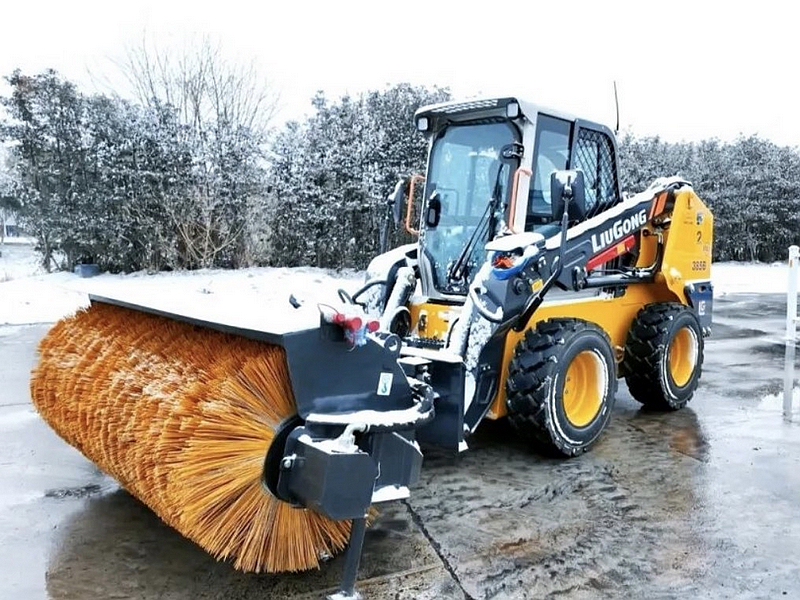
enabling rapid large-area clearance; Use angled sweepers for thin or residual
snow; deploy snow blowers for narrow areas or locations unsuitable for snow
piling. After changing attachments, thoroughly inspect quick-release mechanisms
and hydraulic connections for secure fastening.
2. Initial Snow Clearance Phase
Prioritize clearing main thoroughfares and
primary work zones with snow plows, concentrating large snow masses to restore
basic passability and prepare for subsequent detailed operations.
3. Residual Snow Fine Sweeping Phase
Switch to angled sweepers to remove thin
residual snow from road surfaces. This reduces the risk of ice formation from
compacted snow and enhances traffic safety.
4. Supplementary Treatment for Special
Areas
For inconvenient snow-dumping zones like
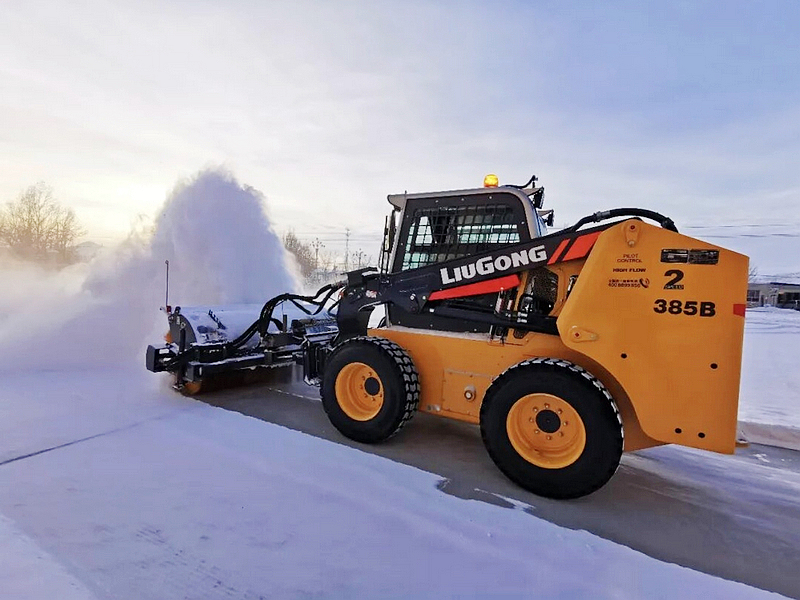
road edges, interior sides of barriers, and equipment gaps, use snow blowers to
directly discharge accumulated snow to designated areas, avoiding repeated
transfers.
5. Operation Wrap-Up and Equipment
Maintenance
Upon completion, inspect for any remaining
snow pockets and clear them promptly. Dismantle attachments and remove residual
debris. Inspect and maintain vulnerable components like hydraulic fittings,
brush bristles, and blade edges to prepare for the next operation.
III. Operational Recommendations: Balancing
Efficiency and Equipment Safety
During snow removal, maintain reasonable
travel speeds to avoid high-impact collisions with snow or obstacles. In cold
conditions, ensure equipment is preheated to guarantee normal hydraulic system
response. Adjust work pace according to weather changes to prevent repeated
compaction of snow, which increases clearance difficulty.
Through scientific equipment selection, standardized operation, and timely maintenance, skid steer loaders can consistently deliver efficient and reliable performance in winter snow removal operations, providing robust support for road accessibility and production continuity.

+86-21-6212-0109
+86-21-6212-0109
+86-188-0523-6192
+86-136-6172-8724
Suite 2107, Gubei International Fortune Center, No. 1438 Hongqiao Road, Changning District, Shanghai 200336, China