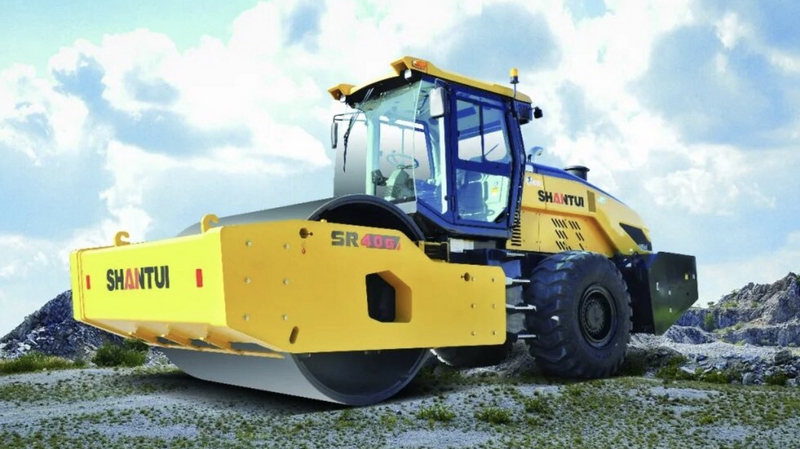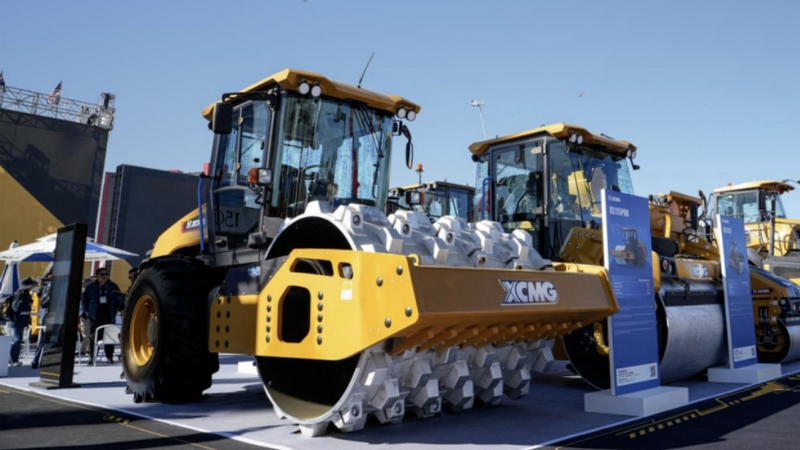
Road rollers are widely used in road construction and foundation engineering. Their operational efficiency and service life largely depend on the adequacy of daily maintenance and upkeep. Therefore, a systematic maintenance guide provides clear recommendations for ensuring the safe and efficient operation of the equipment.
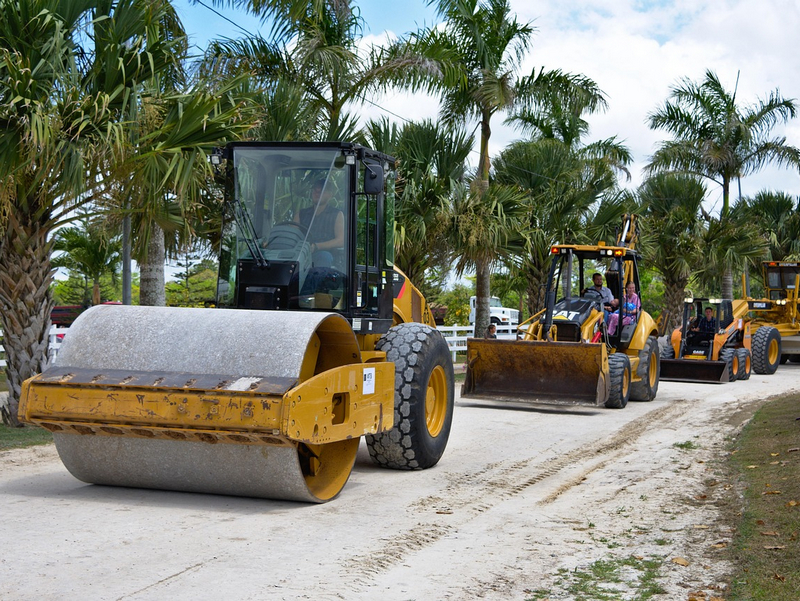
For daily maintenance, focus on promptly cleaning internal and external components, including the engine, transmission, hydraulic pump, and hydraulic hose connections. Ensure unobstructed flow through the radiator, engine oil and hydraulic oil coolers, and cooling passages to prevent overheating. Simultaneously, inspect for loose or missing bolts, particularly at critical points like engine mounting bolts, drive shaft bolts, and transmission mounting bolts. Regularly replenish grease at all lubrication points according to the manual.
Engine maintenance hinges on timely oil changes. Drain the oil at an appropriate temperature to expel impurities, replace the oil filter, and refill with lubricant to prevent insufficient oil supply during engine startup. Coolant must remain clean and at adequate levels; never mix different types of antifreeze. Clean the air filter daily in dusty conditions and replace it after six cumulative uses. Regularly inspect and adjust belt tension to ensure it falls within the 10–15 mm range.
Maintenance of the transmission and vibration systems is equally critical. Transmission lubricants require periodic replacement, with oil levels in transfer cases, transmissions, drive axles, and vibratory wheel gearboxes checked to ensure adequacy. For the vibration system, anti-vibration springs and tires should undergo regular inspections, with worn or damaged components replaced promptly.
For the electrical system, the battery must maintain sufficient charge. After installation, verify instrument panel alerts and engine speed stability to ensure proper operation. Concurrently, periodic maintenance focuses on replacing filters and fluids, including engine oil, diesel fuel, hydraulic oil, gear oil, and their corresponding filters.
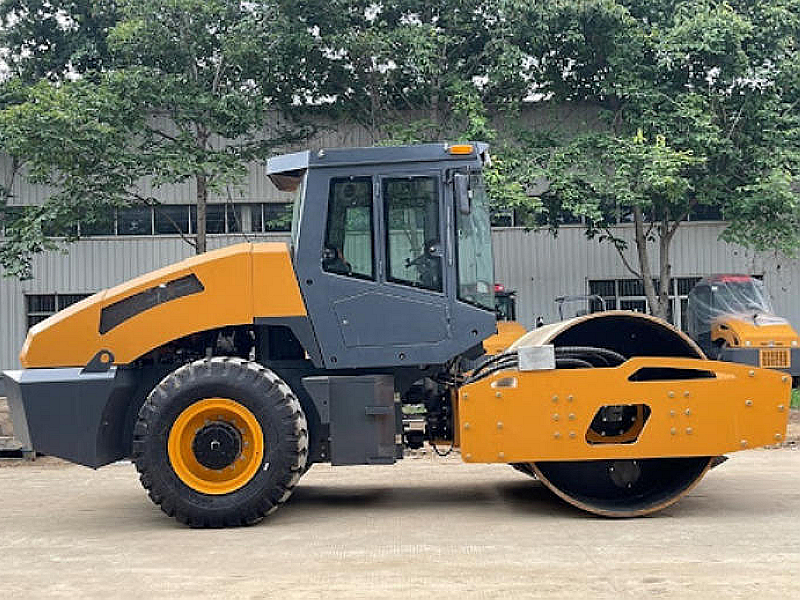
Additionally, safety protocols must be strictly observed during maintenance. For instance, when working beneath the vehicle, securely block both front and rear wheels with chocks to prevent unintended movement.
Through systematic and standardized maintenance practices, rollers not only maintain high-efficiency, stable performance but also effectively extend service life, reduce failure rates, and provide more reliable assurance for construction projects.

+86-21-6212-0109
+86-21-6212-0109
+86-188-0523-6192
+86-136-6172-8724
Suite 2107, Gubei International Fortune Center, No. 1438 Hongqiao Road, Changning District, Shanghai 200336, China