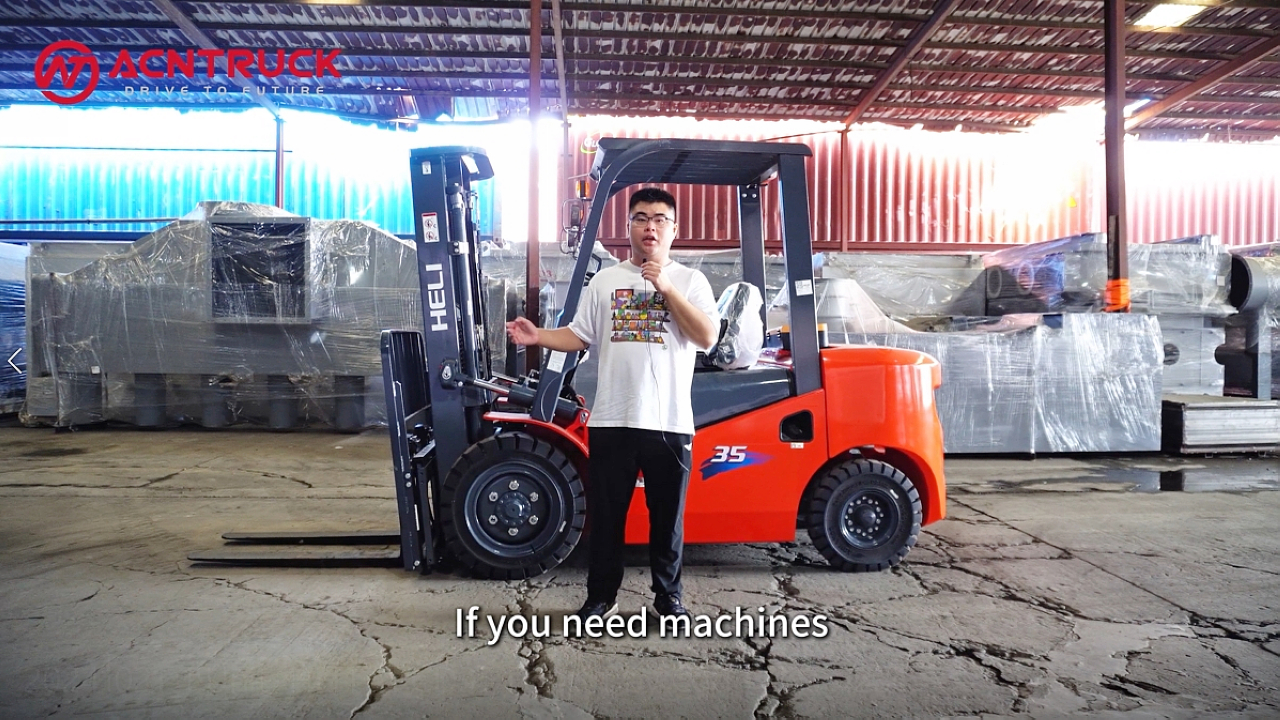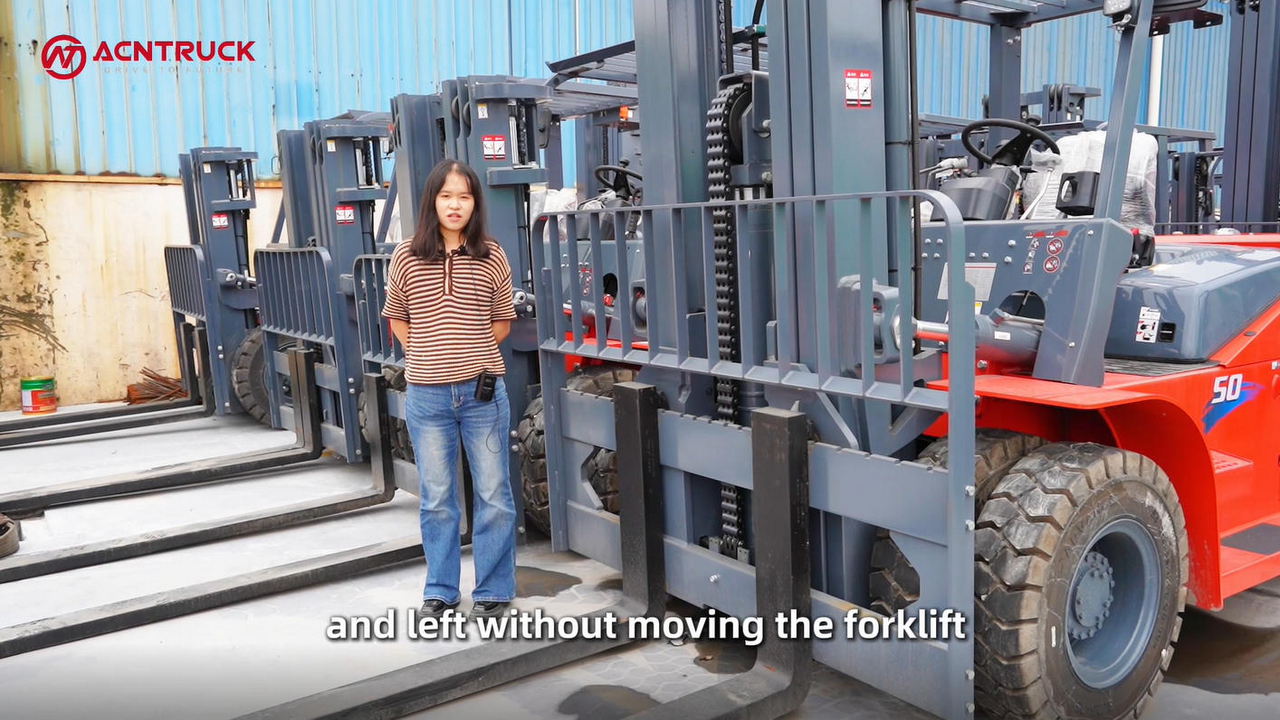
During routine forklift operations, clutch
release bearing damage occurs frequently, accounting for a significant
proportion of vehicle failures. Even with proper operation and timely
maintenance, the bearing's service life typically lasts only about three
months. Improper driver operation can easily cause premature bearing wear,
leading to secondary damage to critical components like the release lever and
clutch plates.
The root causes of bearing vulnerability
lie primarily in high temperatures and inadequate lubrication. Heat generated
by the engine transfers to the release bearing, compounded by friction heat
from the bearing's high-speed rotation. This prevents lubricant from
maintaining effective performance over time, forcing the bearing to operate
continuously under high temperatures and dry friction conditions, thereby
accelerating wear.
To address this issue, technicians explored
various lubrication improvement methods through extensive practical testing.
Initial attempts involved immersing the bearing in high-temperature grease, but
this proved ineffective as the grease structure degraded upon heating.
Subsequent use of a precision grease gun for direct oil injection significantly
extended bearing life, though the process remained cumbersome. After multiple
refinements and experiments, two highly feasible oil injection methods were
ultimately developed.
Without disassembling the engine, open the
clutch cover to inspect the wear condition of the release bearing. Using a
pointed grease gun, inject grease into the bearing housing bore until a small
amount of grease overflows around the bearing and rotational resistance is
felt, indicating adequate lubrication. Clean up excess grease and reassemble
the components to complete the operation.
If the engine is already disassembled,
grease can be directly applied to the oil hole beneath the inner ring of the
release bearing housing. Simultaneously, slowly rotate the bearing until grease
evenly oozes around the entire bearing circumference, then cease injection to
ensure thorough lubrication.
Practical verification across multiple
engine models (e.g., 475C, 480, 492) confirms both methods effectively enhance
lubrication, significantly extend the service life of the separator bearing,
and reduce maintenance frequency. This improvement offers simple operation and
broad applicability, providing practical technical support for forklift
maintenance.

+86-21-6212-0109
+86-21-6212-0109
+86-188-0523-6192
+86-136-6172-8724
Suite 2107, Gubei International Fortune Center, No. 1438 Hongqiao Road, Changning District, Shanghai 200336, China