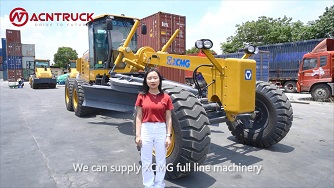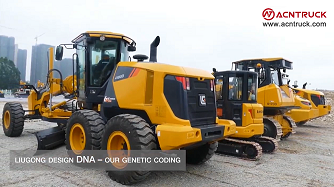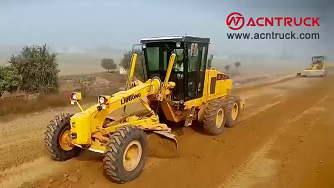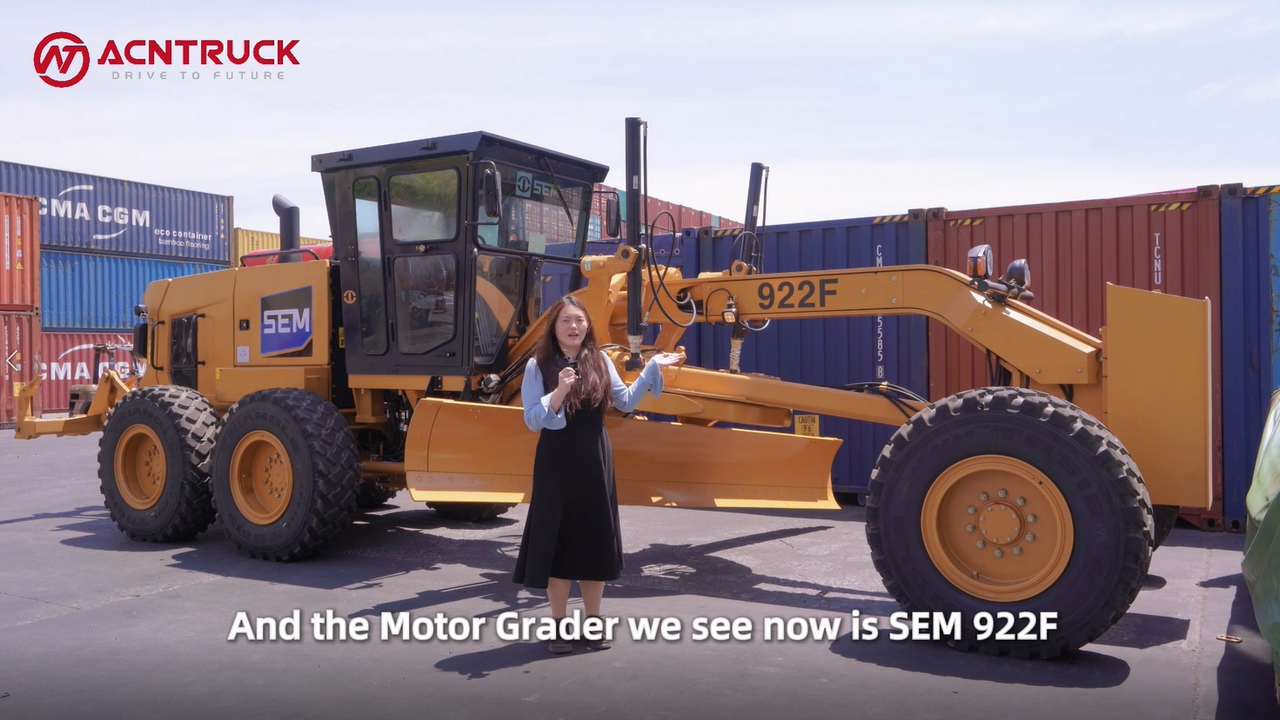
In modern highway construction, motor
graders serve as critical equipment whose operational stability and maintenance
quality directly impact project progress and construction quality. As one of
the industry's leading models, motor graders are widely used in road construction,
site leveling, and various other engineering scenarios due to their exceptional
performance and reliability. Maintaining efficient and stable operation
requires scientific maintenance and upkeep. Below is a detailed motor grader
maintenance guide.
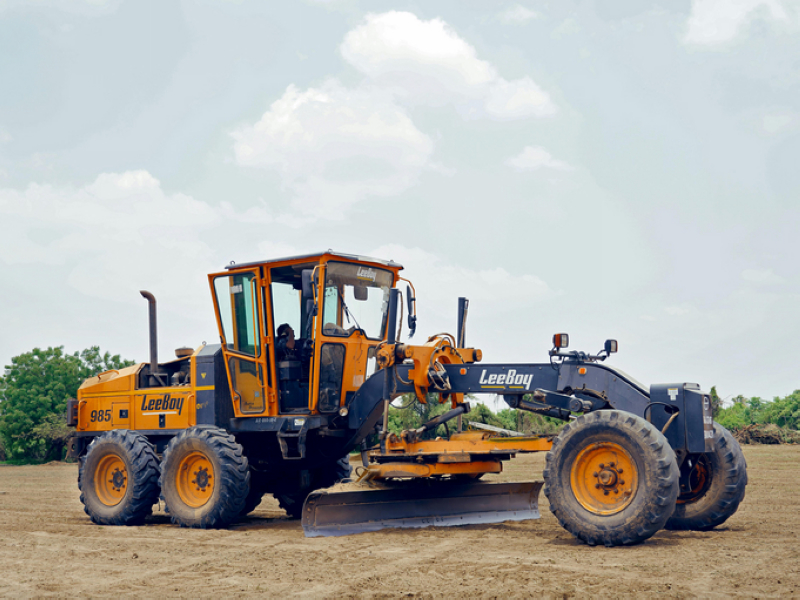
For daily maintenance, operators must
conduct comprehensive pre-start inspections, including checking for oil or
coolant leaks, verifying tire and hose integrity, and examining bolts and
cutting edges for looseness or wear. Simultaneously, clear debris from the
dozer blade and disc areas, maintaining cleanliness on the slide rails and disc
surfaces. Ensure clear visibility through the cab windows and rearview mirrors,
normal brake fluid levels, and intact safety markings to guarantee a secure
working environment. When starting the engine, follow standard procedures to
sequentially verify the status of warning lights and alarm systems, ensuring
the equipment is in a safe standby condition.
During operation, practice scientific
driving and rational gear shifting. Raise the dozer blade and attachments off
the ground while moving to prevent front wheel collisions. Use appropriate
gears when starting to avoid excessive mechanical load. Additionally, drivers
should avoid prolonged engagement of the clutch or brake pedal to minimize
unnecessary component wear.
To maintain optimal equipment performance,
phased technical maintenance based on operating hours is recommended. Every 50
hours, inspect tire pressure, wheel nut torque, fluid levels, and replace
engine oil and filter; Every 100 hours, additionally replace the balance box
lubricant, clean the intake and exhaust systems, and inspect the braking and
steering mechanisms to ensure responsive mechanical operation. When the
equipment reaches 500 operating hours or more, conduct deeper inspections and
replacements of key components based on usage conditions to ensure stable
overall operation. For operations in cold regions, complete specialized
maintenance on fuel and antifreeze before winter to prevent low-temperature
damage.
Standardized maintenance protocols also
apply to long-term storage of motor graders. When equipment remains idle for
over 30 days, perform a comprehensive cleaning, drain accumulated water from
the fuel tank, and remove the battery for proper storage in a well-ventilated,
dry location to prevent corrosion and power loss. Additionally, all fasteners,
fluids, and electrical circuits should undergo regular inspection, with any
issues addressed promptly to ensure optimal performance upon next startup.
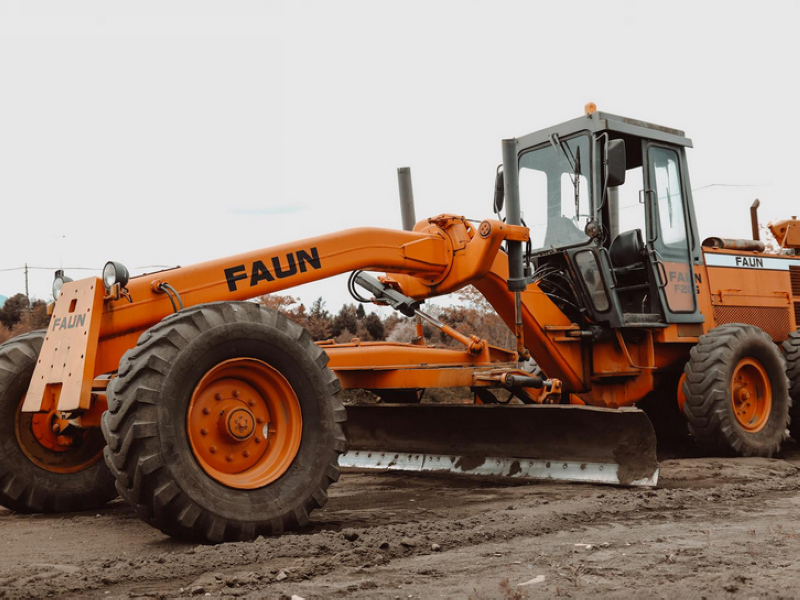
Bulldozers embody the product philosophy of
“reliability through technology, efficiency through maintenance” with their
robust mechanical structure and user-friendly maintenance design. Through
scientific upkeep and scheduled servicing, users can not only extend equipment
lifespan and reduce failure rates but also significantly boost project
efficiency, delivering sustained power and high-quality assurance for
construction projects.

+86-21-6212-0109
+86-21-6212-0109
+86-188-0523-6192
+86-136-6172-8724
Suite 2107, Gubei International Fortune Center, No. 1438 Hongqiao Road, Changning District, Shanghai 200336, China